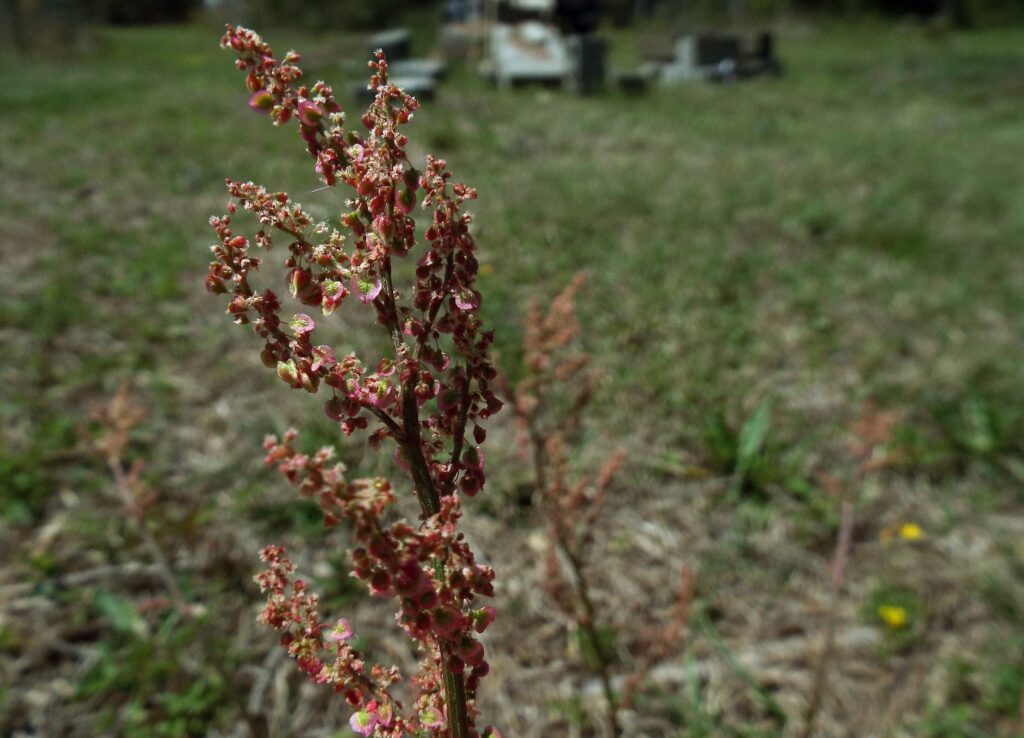
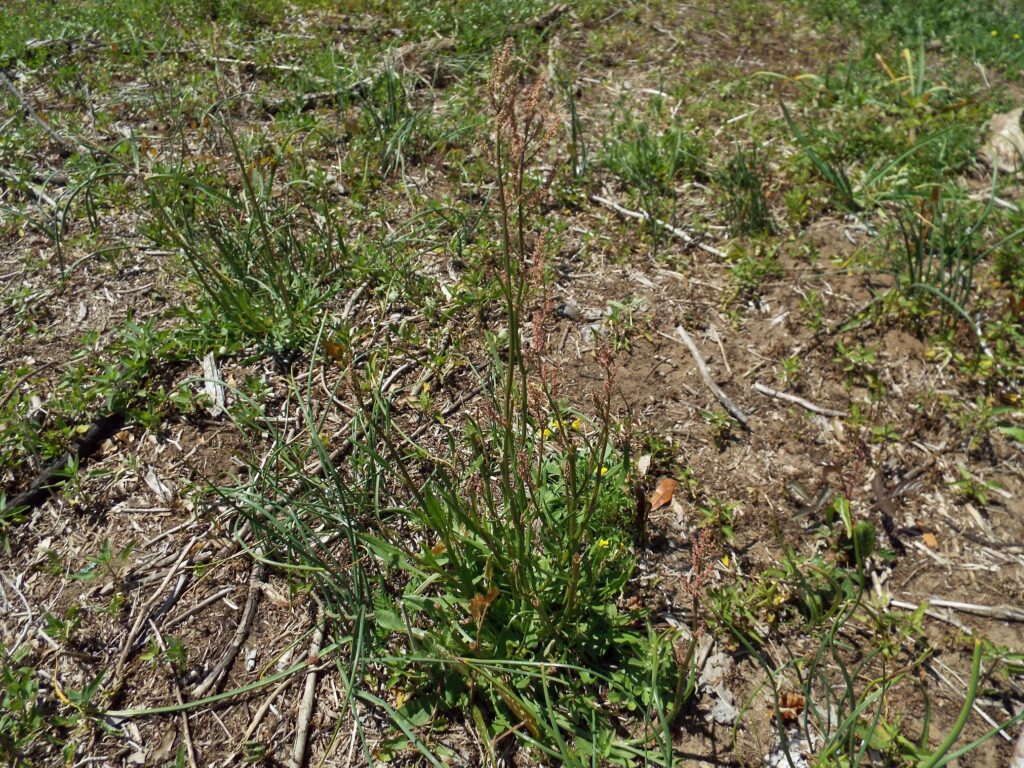
This week for Flora and Fauna Friday, we’re looking at a common weed found throughout the Island. This week we’re looking at Sheep Sorrel (Rumex acetosella). What I grew up calling “Sourgrass”.
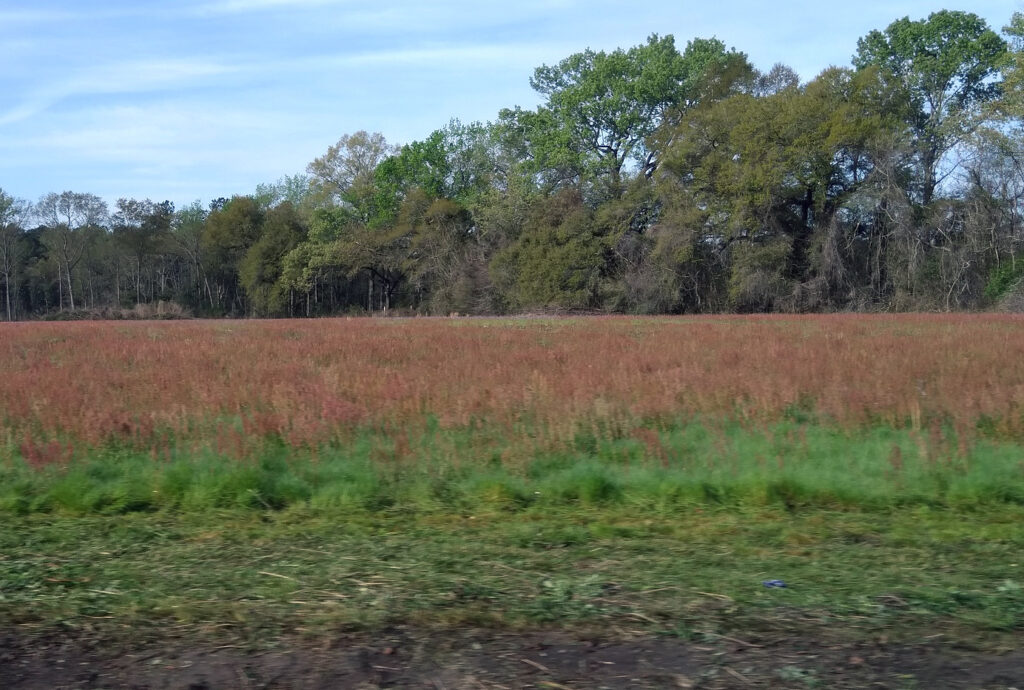
Sheep Sorrel is a member of the Buckwheat and Smartweed family, Polgonaceae. The genus Rumex, known as Docks, are diverse and common herbaceous plants here in SC. You often find them growing along roadsides, ditches, and fields. Sheep Sorrel is no exception. It’s a prolific exotic forb across lawns and fallow fields in the spring, coating fields in a wash of red. It prefers drier, sandier soils than most of our other native Docks.
Sheep Sorrel is a basal rosette of leaves that produce several vertical spikes of red-pink wind-dispersed seeds in spring. Its leaves are long, thin, and spear-shaped. The red-pink, heart-shaped seeds act as single wing that carries the seeds on the wind where ever it may blow. Sheep Sorrel gets the colloquial name “Sourgrass,” that I grew up using, from the chemicals found in its leaves and stems. It gets the specific epithet “acetosella” in its scientific name from the flavor of its foliage as well. The plant is chock full of Vitamin C and citric acid. In fact, the leaves of Sheep Sorrel are completely edible! They taste like lemon juice and bland spinach to me. Chewing on the flower stalks reveals a potent sour flavor too, which I was taught to enjoy as a child. Just don’t chew on the flowers or try and eat the fiber-y stems like you would the leaves. That’s not a pleasant experience.

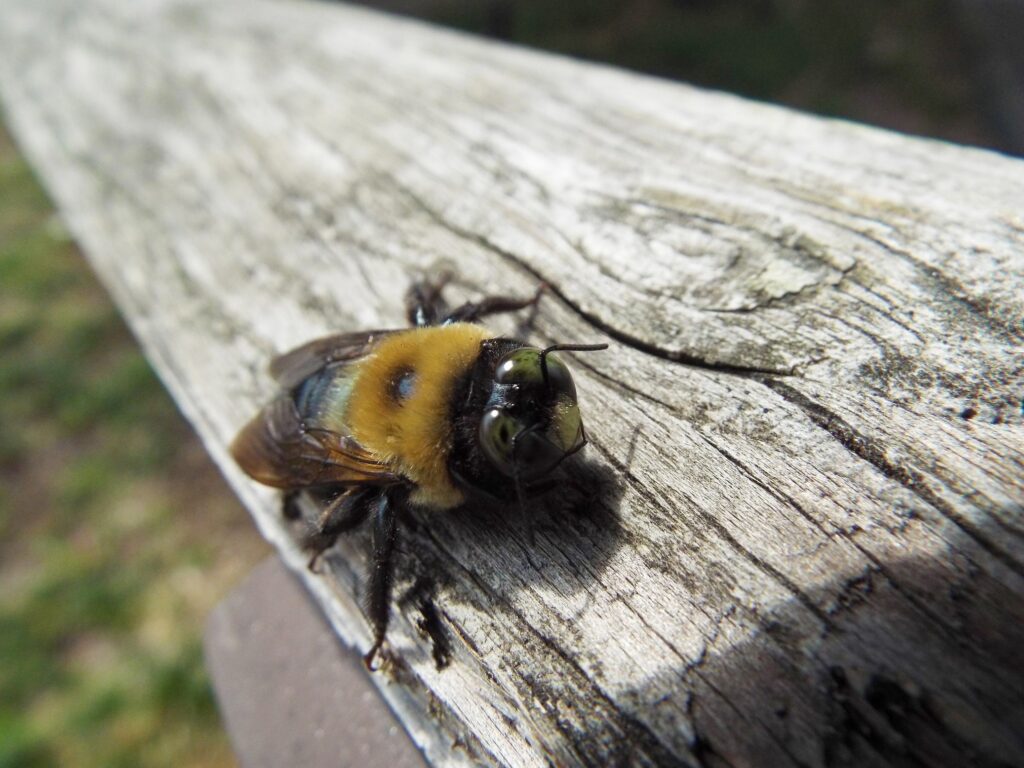


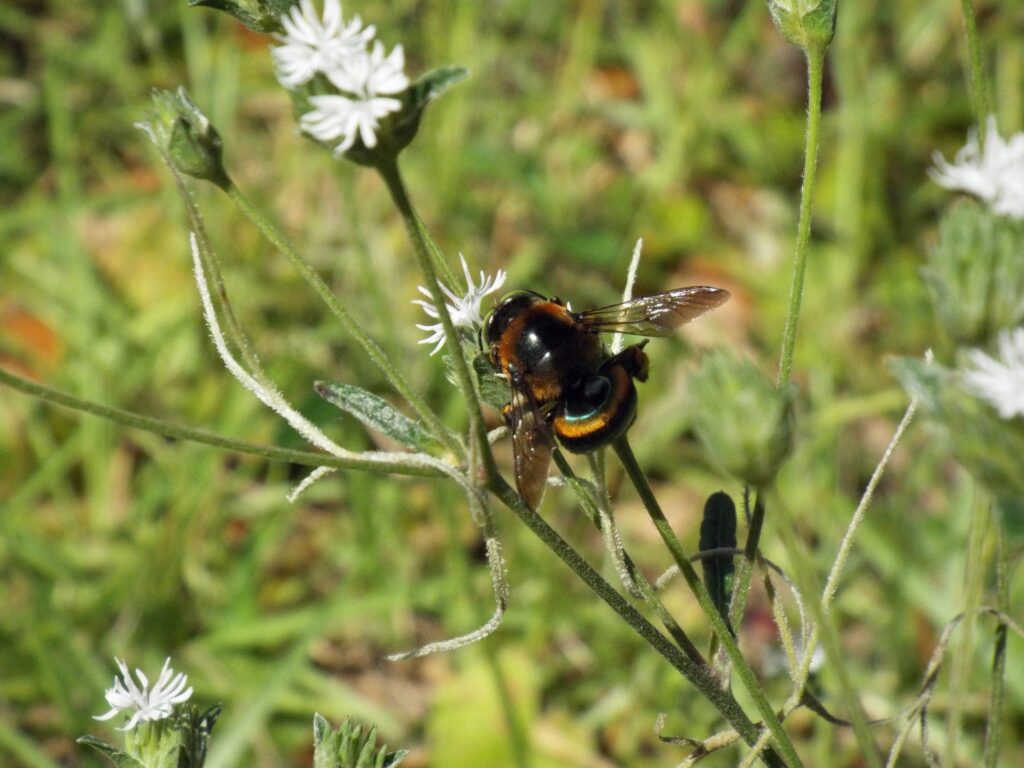
This week for Flora and Fauna Friday, I come to the defense of yet another insect with a bad rap. This week we’re learning about the Carpenter Bees, genus Xylocopa. In SC we have two species of Carpenter Bee: Eastern Carpenter Bee (Xylocopa virginica) and Southern Carpenter Bee (Xylocopa micans). The Eastern Carpenter Bee is by far the most common in our area.
Carpenter Bees get a bad rap because they hang around human structures harassing the occupants and chewing holes into wood. I’m not going to argue against the persecution they get for causing structural damage to human dwellings. (They’ve cost me a few Adirondack chairs and shovel handles in the past.) However, I will argue that they’re not a hazard to your health. They’re all bark and no bite. Or I should say, all bite and no sting.
The Carpenter Bees that hangs out beside your porch and buzz a foot in front of your face every time you leave the house are entirely harmless. That’s a male. Males of the insect order Hymenoptera (Bees, Ants, and Wasps) lack stingers. This order’s stinger is a modified ovipositor, or egg laying appendage. So only females have stingers. Male Carpenter Bees, which can be identified by the bright yellow square in the middle of their face, are territorial. The females spend days or even weeks carving out a larval tunnel in a block of wood and the males make certain no one bothers mate while she works. That’s why male Carpenter Bees get up in your business whenever you pass by their hidey-hole. Females aren’t territorial but they do sting. You’d have to squeeze one with your bare hand to get her to sting, but she can if she needs to. Females lay their eggs in the tunnels they carve. Each egg gets a nugget of “bee bread”, a mix of pollen and nectar, for food and their own divided cell made from wood pulp.
Eastern Carpenter Bees look a lot like Eastern Bumble Bees. The easiest way to tell them apart is by how fuzzy they are, especially at the base of the abdomen. Just like Bumble Bees, Carpenter Bees eat nectar and are important pollinators. Unlike some bee species, they’re active most of the year and hibernate in their tunnels over the winter. That makes them an important pollinator for many plant species throughout the year and a vital part of your local ecosystem.
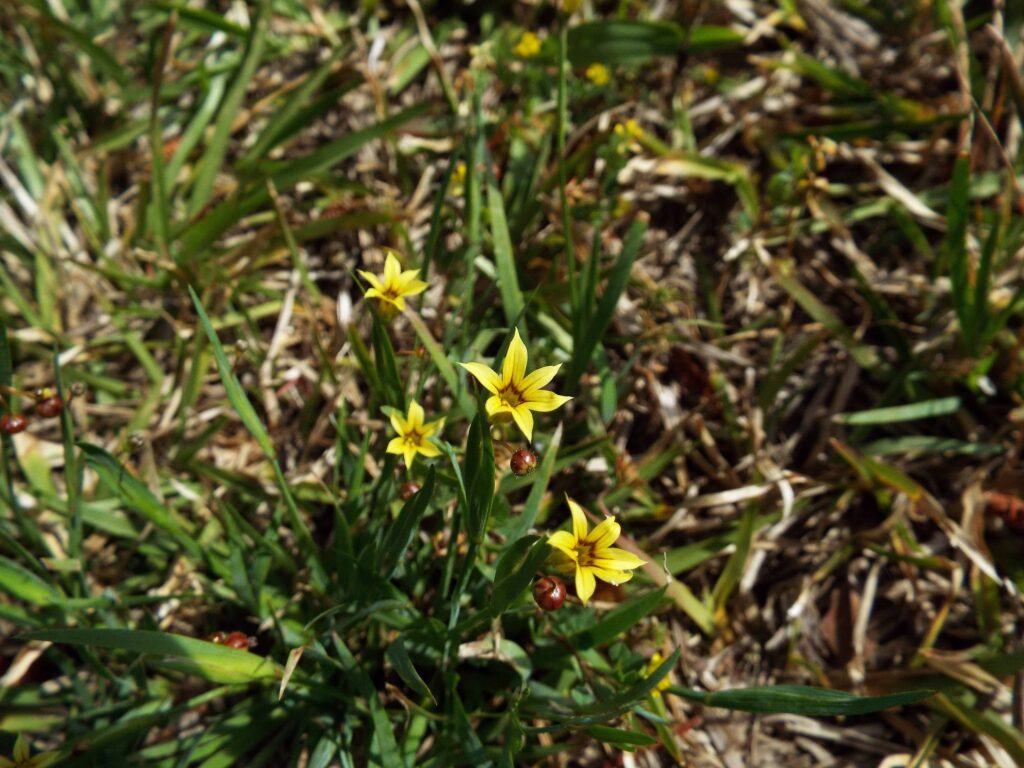
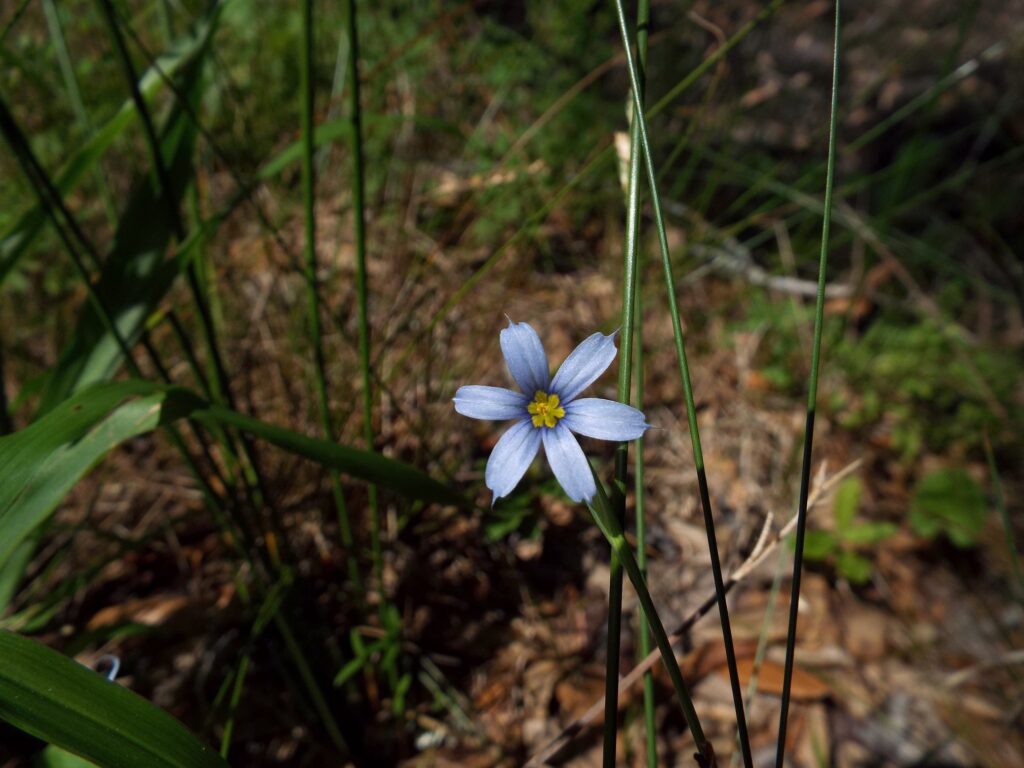
This week for Flora and Fauna Friday, we’re examining another genus of wildflowers. The subject of our attention are the Blue-eyed Grasses, genus Sisyrinchium.
Blue-eyed Grasses are not grasses but members of the Iris family. They have the characteristic colorful, six-petaled flowers of an Iris, albeit on the small scale. The same goes for their leaves, which have that flat, nested, fan-like shape of an iris. Just like other Irises, their fruit is a capsule that splits open and drops seeds as it dries. Blue-eyed Grasses grow in disturbed habitats such as forest edges, trail sides, road shoulders, lawns, and the like.
In our area we have about 5 species of Blue-eyed Grass. On Edisto, the species you’re most likely to see are: Annual Blue-eyed Grass (Sisyrinchium rostulatum), Narrowleaf Blue-eyed Grass (Sisyrinchium angustifolium), and Eastern Blue-eyed Grass (Sisyrinchium atlanticum). Annual Blue-eyed Grass is the easiest to find and ID. It grows in almost any sunny, disturbed site and has a short stature with small, pointy flowers that range in color from blue, to pink, to yellow. Narrowleaf and Eastern Blue-eyed Grasses are very similar in appearance both having long thin leaves and blue-purple flowers. However, the Narrowleaf prefers sunny, open habitats and Eastern prefers shady, woodland habitats.
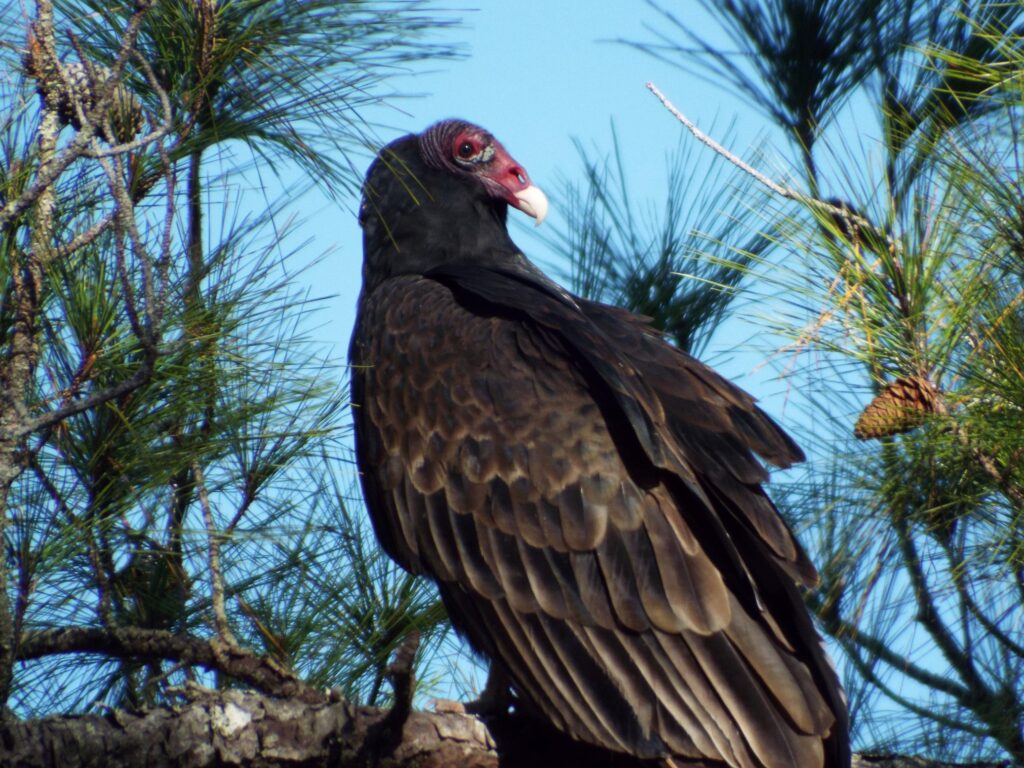
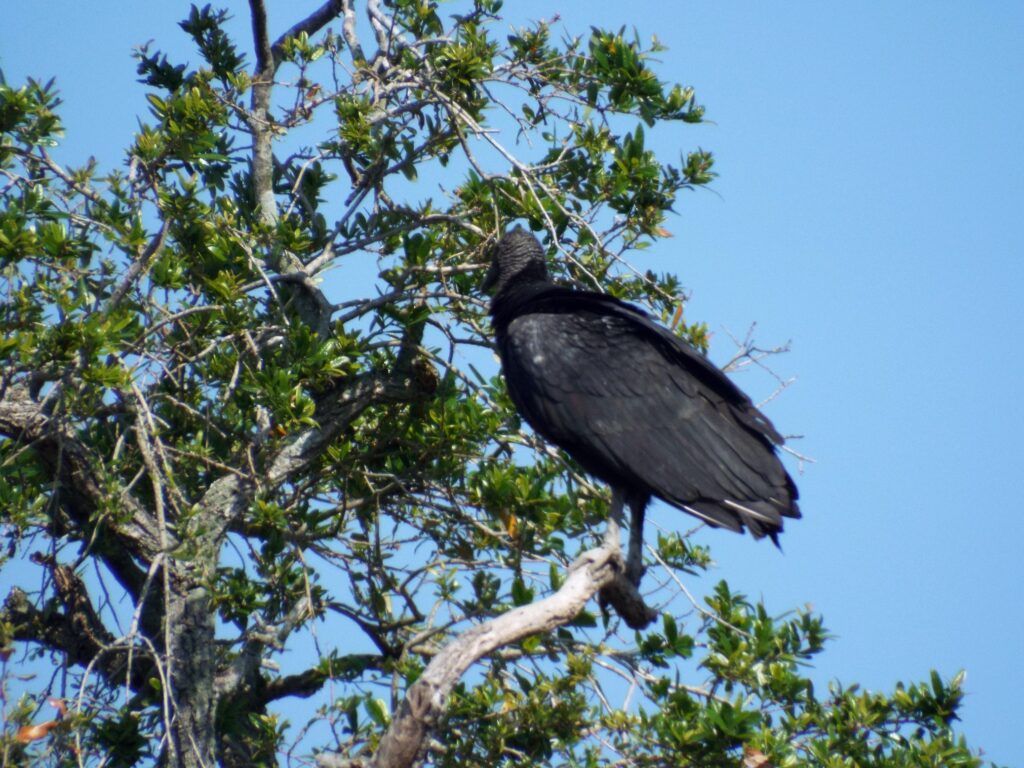
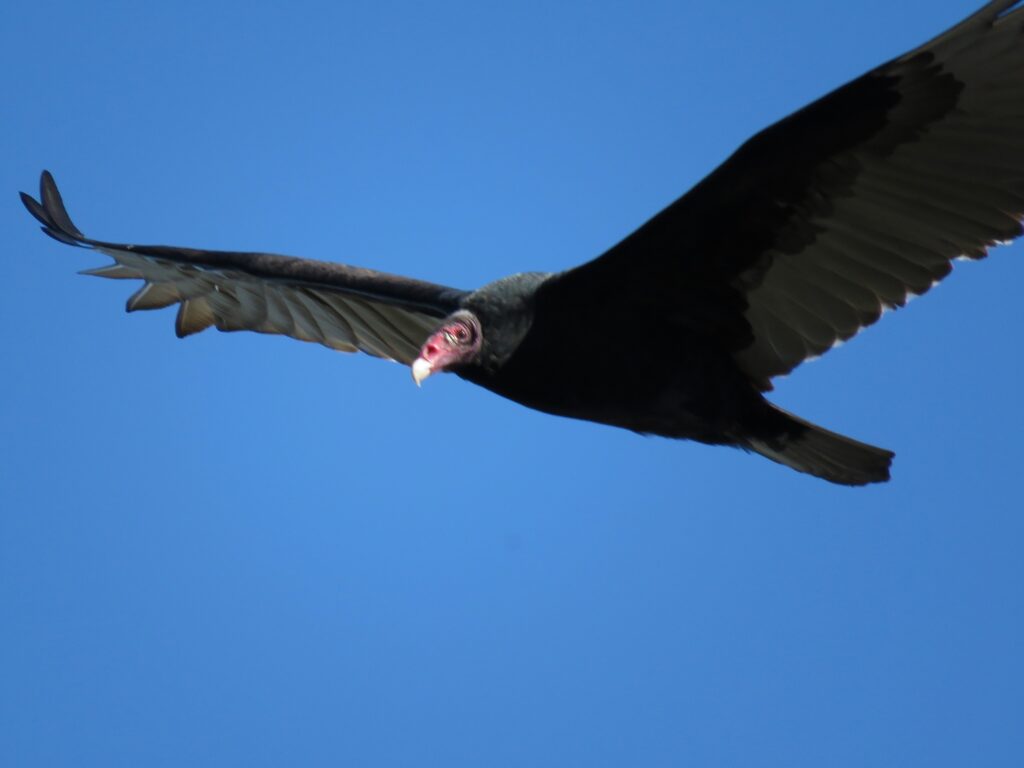
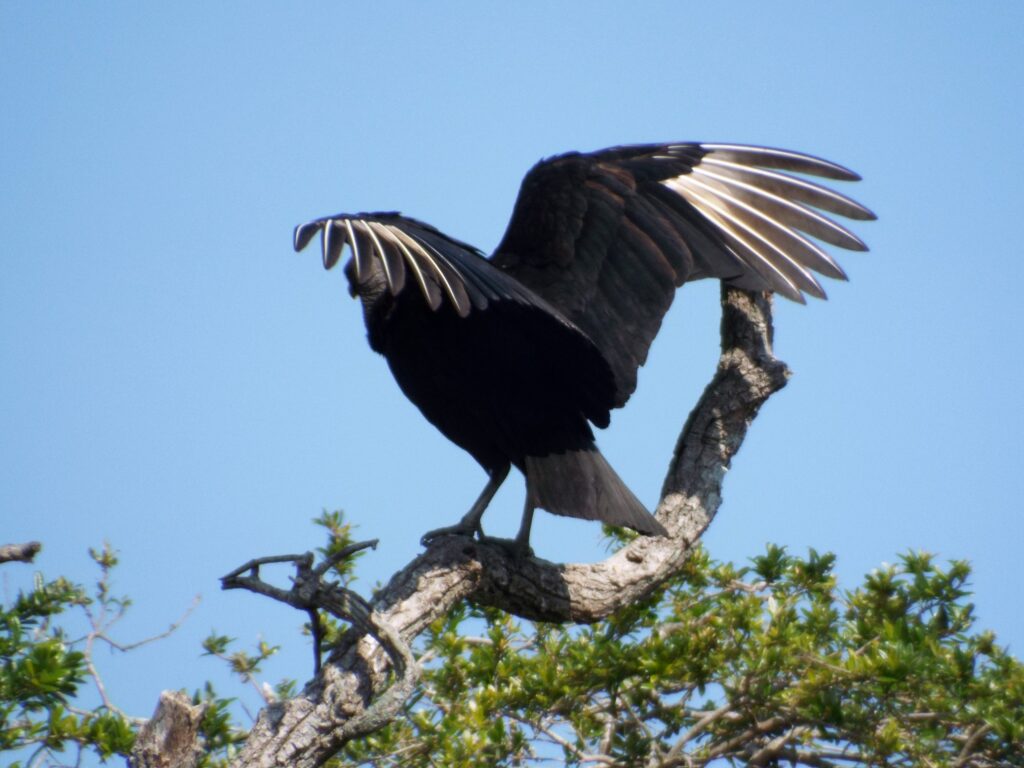
This week for flora and fauna Friday we’ll be examining a pair of birds that are a familiar site along scenic highway 174. This week we’re talking about Vultures.
In South Carolina there are two species of Vulture, the Turkey Vulture (Cathartes aura) and the Black Vulture (Coragyps atratus). Both of our Vultures have dark plumage, featherless heads, great senses of smell and vision, and feed on dead animals. (On a side note, the term “Buzzard”, which is often applied to Vultures, is actually the name of several Old World Hawk species that will eat carrion but prefer to hunt prey.) Vultures lack feathers on their heads because of the nature of their diet. Feathers would get in the way of feeding on carrion and rot from continuous exposure to bodily fluids and bacteria. Thus, our Vultures have lost the feathers on their heads to avoid these complications. Vultures sun their dark feathers in the heat of the day for the same reason. This scorching heat serves to cook bacteria and parasites that cling to their plumage. Vultures, predictably, have extremely robust immune systems. It’s kind of a prerequisite if you’re eating rotten meat for a living. They are essentially immune to diseases like Anthrax, Salmonella, and Botulism! Vultures provide a valuable ecosystem service by eating carrion. By eating carcasses before they rot, Vultures help prevent the spread of disease and mitigate the localized disturbances to plant and invertebrate communities caused by decomposing animals. Adult Vultures, due to their unsavory lifestyle, have almost no natural predators.
Turkey Vultures can be distinguished from Black Vultures by their pink-red heads and legs, dark brown plumage, and more slender, raptor-like physique. On the wing, Turkey Vultures are readily identified by their gray primary and secondary feathers, rickety flight, and wings held upward in a dihedral aka a shallow “V”. Turkey Vultures get their name from their resemblance to the Wild Turkey. Both share a bald, pinkish head and dark brown plumage. The Turkey Vulture is a very efficient flier and can kettle high in the air for hours and miles on end, without flapping its wings once. They accomplish this by exploiting thermals and small scale turbulences along forest edges. Turkey Vultures have one of, if not the best, sense of smell of any terrestrial animal. They also have acute vision. This allows them to smell and locate carrion before any other scavenger can, all while circling high in the air. Turkey Vultures are often the first scavenger on a carcass and typically get to take their pick of the choice bits before their competition arrives.
Black Vultures can be separated from Turkey Vultures by their wrinkly gray heads and legs, black plumage, and a more robust, stork-like physique. Black Vultures only have gray primary feathers and their flat, forward-held wings and more direct powered flight style allows for an easy ID in flight. Black Vultures have eyes as equally keen as those of Turkey Vultures but have a less developed, although still impressive, sense of smell. Black Vultures are more energetic, boisterous, aggressive, and tend to travel in groups. Black Vultures have adapted to exploit these personality and physiological differences to their advantage. Black Vultures tend to circle higher in the sky than Turkey Vultures. From this vantage point they sniff and stare for carrion like any other Vulture but also watch for the lower flying Turkey Vultures. When they identify Turkey Vultures, or other Black Vultures, flying low over an area, they pursue the other birds in hopes of being led to a meal. This often results in Black Vultures swarming and stealing a carcass from the less aggressive and more solitary Turkey Vultures. This results in the common roadside spectacle of a dozen or two Black Vultures bounding, flapping, and encircling a roadkill. Black Vultures are also known to hunt some prey and will primarily target newborn or juvenile animals as a group.
Being a scavenger, Vultures are especially susceptible to threats from environmental contaminants. If an animal dies from poisoning or chemical contamination, a Vulture is likely to feed on its carcass and itself be poisoned. They also are at risk of gradual poisoning due to a concept called bioaccumulation. Bioaccumulation is where contaminants, such as heavy metals and pesticides, can accumulate in an animal overtime from eating contaminated food. These contaminants may not exist in this animal at dangerous levels but the predators that eat these contaminated animals will retain those same contaminants at an even higher concentration, so on and so forth up the food chain. This was the principle behind why DDT was devastating on carnivorous birds, like Eagles and Condors, but not their prey. As a carrion eater, Vultures sit at the peak of the food web and are especially susceptible to bioaccumulation. Although not as bad as the California Condor, our eastern Vultures took a hit from the widespread use of DDT. However, Vultures are one of the few animal species that have benefitted dramatically from human encroachment and habitat fragmentation from the construction of highway networks. This helped them quickly recover from the declines caused by DDT. Roadways are a huge source of mortality for many species of mammals. While bad for mammals this provides a smorgasbord of food for Vultures. The ribbons of asphalt through the woods create thermals and canopy opening that facilitate Vulture flight and their ability to see carcasses. In fact, the ranges of both the Black and Turkey Vultures are expanding northward because of this!
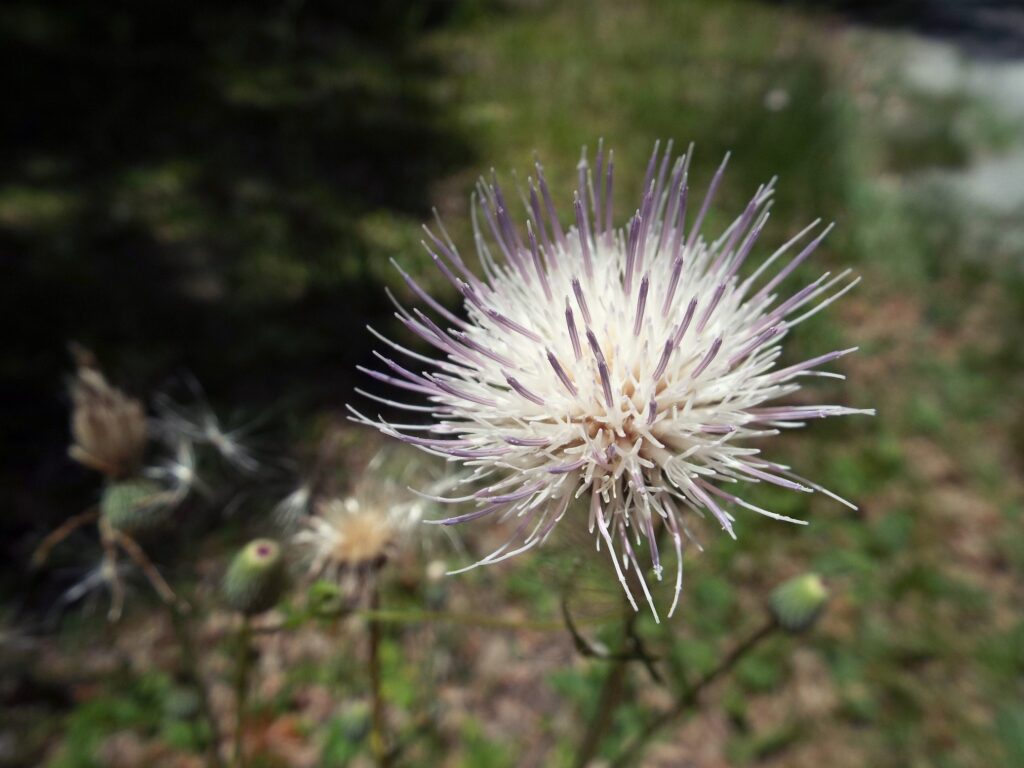
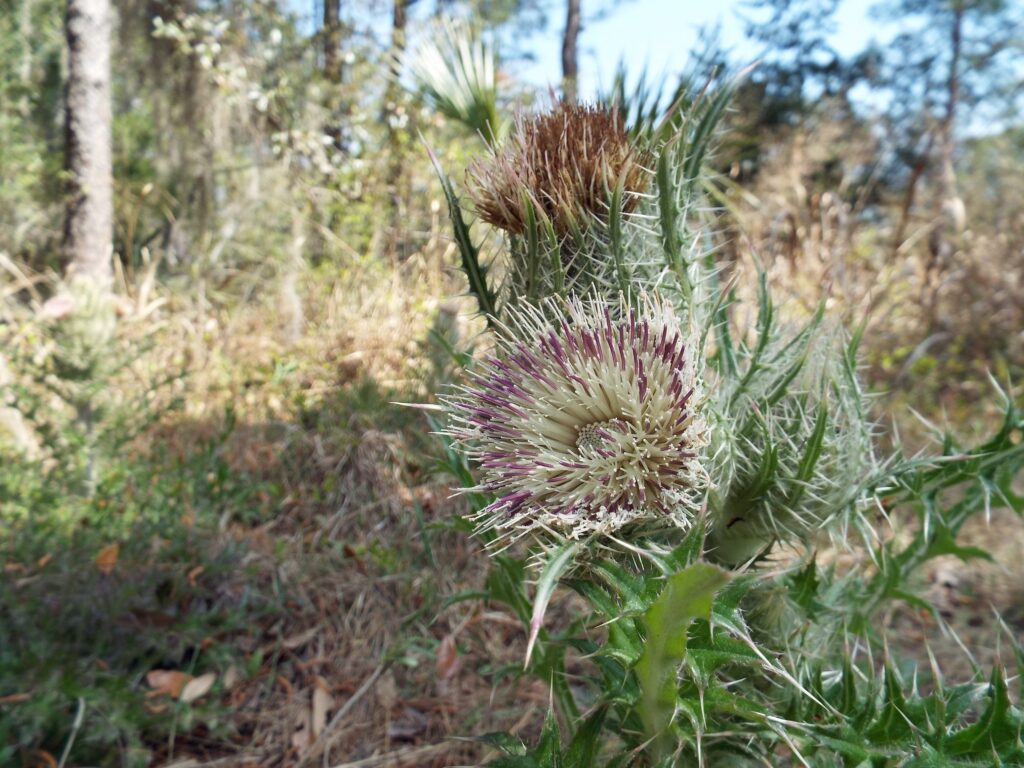
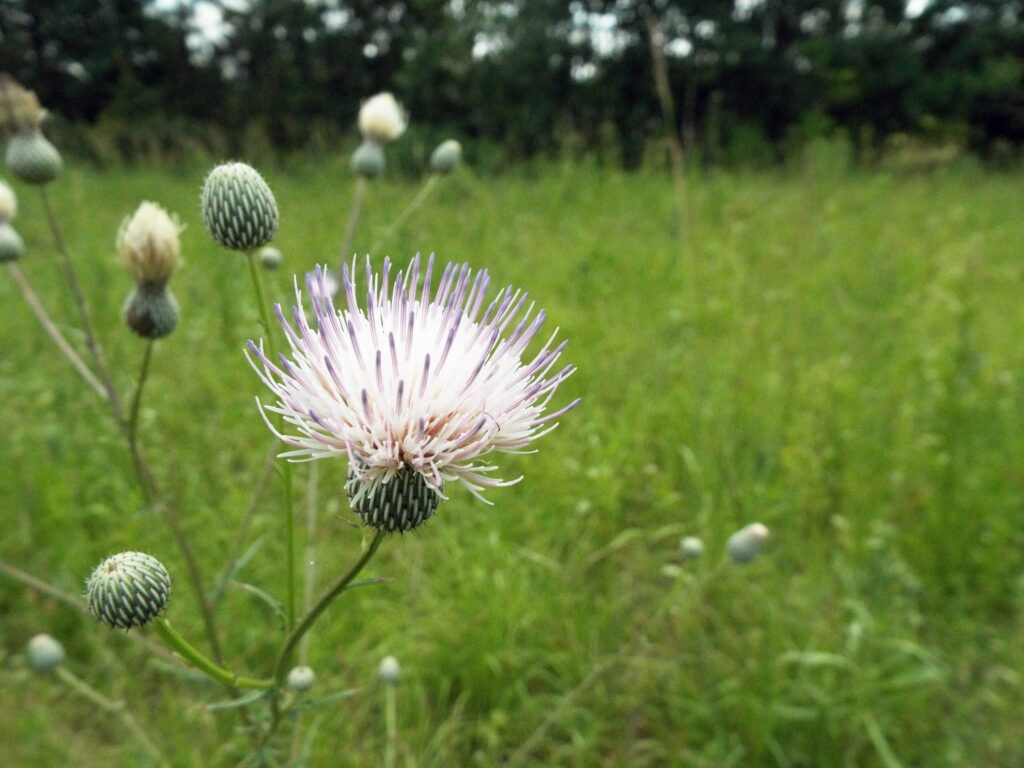
Once again for Flora and Fauna Friday, I’ll be writing in defense of a scorned and underappreciated genus of plant. This week I’m defending the honor of the genus Cirsium, the Thistles. We have two common Thistle species on Edisto: Yellow Thistle (Cirsium horridulum) and Nuttall’s Thistle (Cirsium nuttallii).
Thistles get a bad rap because they’re pokey and they make lawns and pastures look unkempt. But, a Thistle’s goal in life is not to assault the feet of barefoot meadow frolickers or the eyes of meticulous landscapers. Much like Sand Burs, they’re just trying to get by, undisturbed and uneaten, in a highly competitive habitat.
Thistles thrive in early successional habitat with a lot of disturbance. Succession and disturbance regimes are both doozies of ecological concepts that I’ll save for another time. For now, just know that the habitats they like don’t have many or any trees and some event regularly occurs that keeps the plant life in that condition. So these are places like roadsides, pastures, fields, lawns, savannas, and forest edges. Places where humans or nature keeps trees and shrubs out and the grass from becoming hay. Thistles do well here because they spend the majority of their life as something known as a basal rosette. A circle of leaves originating from a central point, laying directly on the surface of the ground above a ball of perennial roots. This keeps them low and out of harm’s way from things like snow, fire, and bushhogs. All while minimizing energy needs and shading out any grasses that might try to grow beneath its leaves, stealing its water and nutrients. Their stems and leaves, as I’m sure many of you are aware, are covered in hundreds of viciously sharp spines. These protect the plant from herbivores, like deer and rabbits.
When the time comes, thistles ascend from their basal rosette and form an inflorescence, or flower stalk. These flower stalks can be very large and are, predictably, covered in a profusion of little stabby bits. These flowers are unappealing to both lawn enthusiasts and would be herbivores but they are a huge draw for both Honeybees and native pollinators. Butterflies, bees, wasps, flies, and beetles swarm to these flowers for nectar and pollen. Especially the flowers of the large, early blooming Yellow Thistle. When the flowers have finished, Thistles produce scores of fluff tethered seeds that feed both Finches and Sparrows. These lint-linked seeds float on the breeze to new habitats with ease. If they, by chance, land in another open habitat, they can start the cycle anew. The parent plant is perennial and will come back each year until the habitat can no longer support it.
Yellow Thistles start producing flowers this time of year. Their flower stalks only reach about 3 feet in height but their stalks can be as big around as your forearm! Yellow Thistles get their name from their large, egg-sized, yellow-white flowers that are sheathed in a cage of spiny leaves. However, their flowers can also be pink or even magenta (like in the first photo below). This species is a great nectar and pollen source for pollinators emerging from their winter waiting.
Nuttall’s Thistles don’t bloom until the summer. Usually in two waves, one in July and one in September. Their flower stalks are pretty skinny but they can exceed 7 feet in height! The flowers of Nuttall’s Thistles are quite different from those of Yellow Thistle. They are much daintier, open, and showy. The flowers of this species range in color from white to hot pink. They appeal to a wide array of pollinators as well.
Thistles provide many benefits to our native pollinators, which in turn provide benefits to the local plant community as well as human agriculture. Next time you have a thistle spring up in your flower bed or front yard. Stay thy shovel and maybe you’ll reap the benefits of healthier wildlife habitat.
This week for Flora and Fauna Friday you’ll be getting a quick overview of an interesting family of songbirds. Diverse in shape, color, habitat, residency, diet, and rarity, this week we’re talking about the Thrushes, family Turdidae.
All of our Thrush are plump, medium to large sized songbirds. They all have big eyes, strong legs, a bill that is moderate in both length and heft, and an undulating, whistled, sing-song voice. All species primarily eat insects but will eat fruits in the winter months. There are 8 species of Thrush that can be seen in SC, including here on Edisto. Only 4 of those species are here for any significant length of time. The others just make pit stops in the state on their way to their breeding grounds in Canada.
The eight species of Thrush you can find in SC are: Eastern Bluebird (Sialia sialis), American Robin (Turdus migratorius), Wood Thrush (Hylocichla mustelina), Hermit Thrush (Catharus guttatus), Swainson’s Thrush (Catharus ustulatus), Veery (Catharus fuscescens), Gray-cheeked Thrush (Catharus minimus), and Bicknell’s Thrush (Catharus Bicknelli). Only the Bluebird, Robin, Wood Thrush, and Hermit Thrush are residents in SC. The Swainson’s Thrush, Veery, Gray-cheeked Thrush, and Bicknell’s Thrush can only be found in SC during their Spring or Fall migrations through the state.
I have short descriptions of each species attached to the photos below. The American Robin and Eastern Bluebird will get their own post eventually, so I won’t be going into much detail for any one species. I also don’t have a photo of a Bicknell’s Thrush, so I’ll append that description to the Gray-cheeked Thrush’s.
The Eastern Bluebird is a permanent resident of the state. They live in open fields, scrublands, lawns, and along forest edges where they nest in cavities and eat insects. Bluebirds are our smallest Thrush and easy to recognize by their blue plumage. Males are a brilliant blue and females a washed out blue to gray.
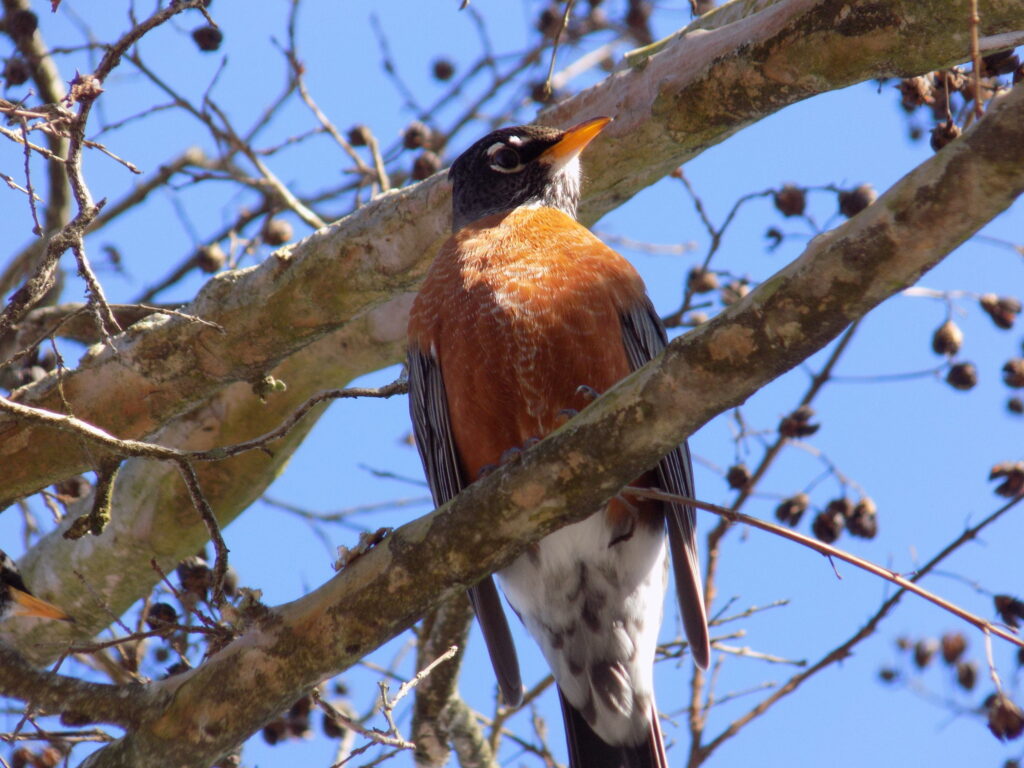
The American Robin is our largest Thrush and a permanent resident in some places, but mostly a winter visitor. They’re visitors of lawns, wetlands, and forest alike where they feed on insects and berries. Robins are easily identified by their rusty-red breast, black cap, and slate-gray back. Males are bolder in color and females a paler shade throughout.
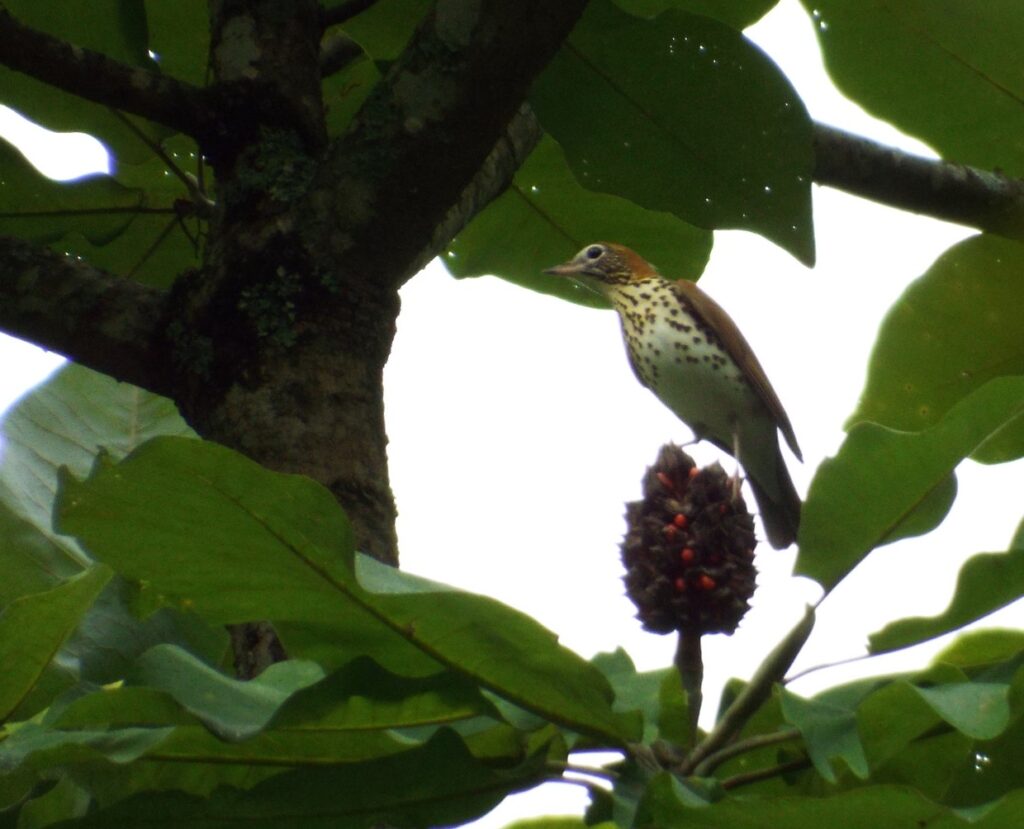
The Wood Thrush is a summer resident in SC but aren’t common on the coast. They’re found in moist hardwood forests, especially along rivers. Their stockier body and bold, black-spotted breast sets them apart from our 5 Catharus Thrushes.
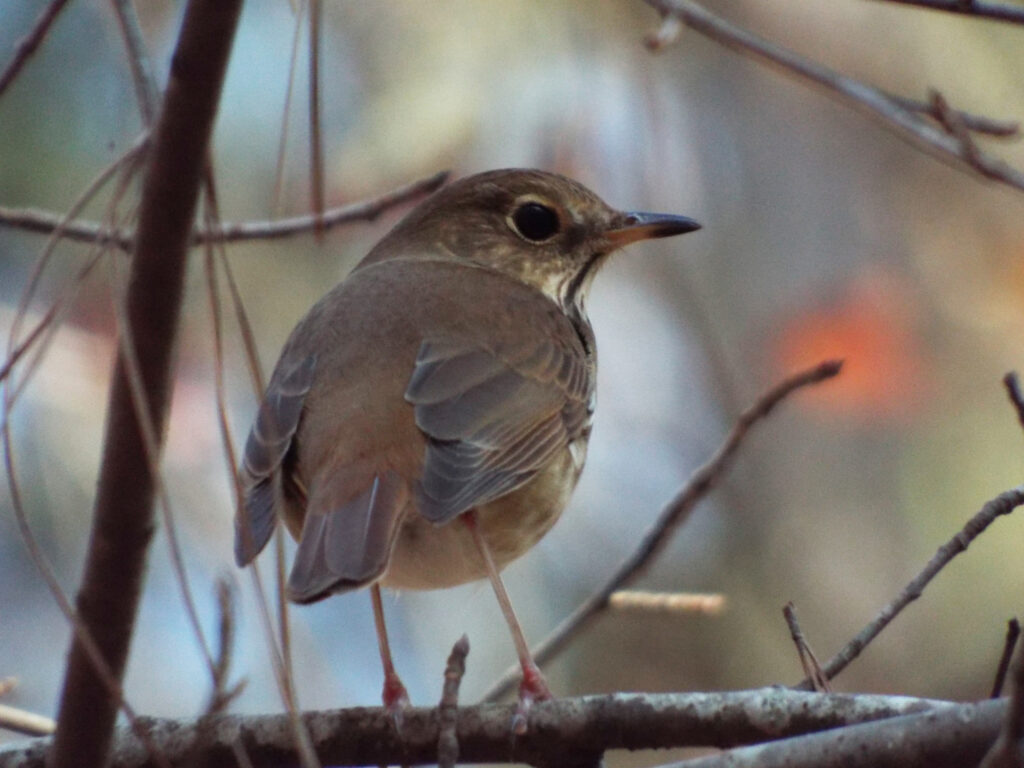
The Hermit Thrush is a regular and common winter resident of SC. You can find them in hardwood and mixed forests across the state. Their rusty rump and “tail pump” sets them apart from other members of Catharus.
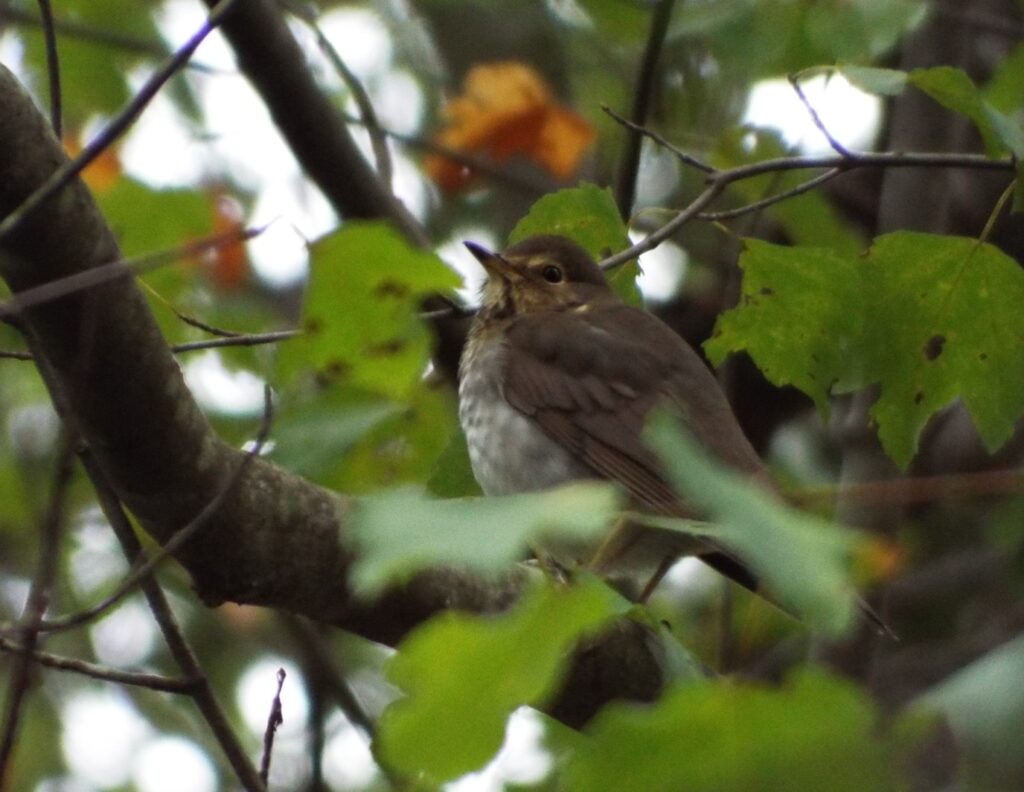
The Swainson’s Thrush is a passage migrant found in woodlands. It has a flat brown plumage similar to a Hermit Thrush but lacks the rusty rump. It also has a golden wash to its cheeks.
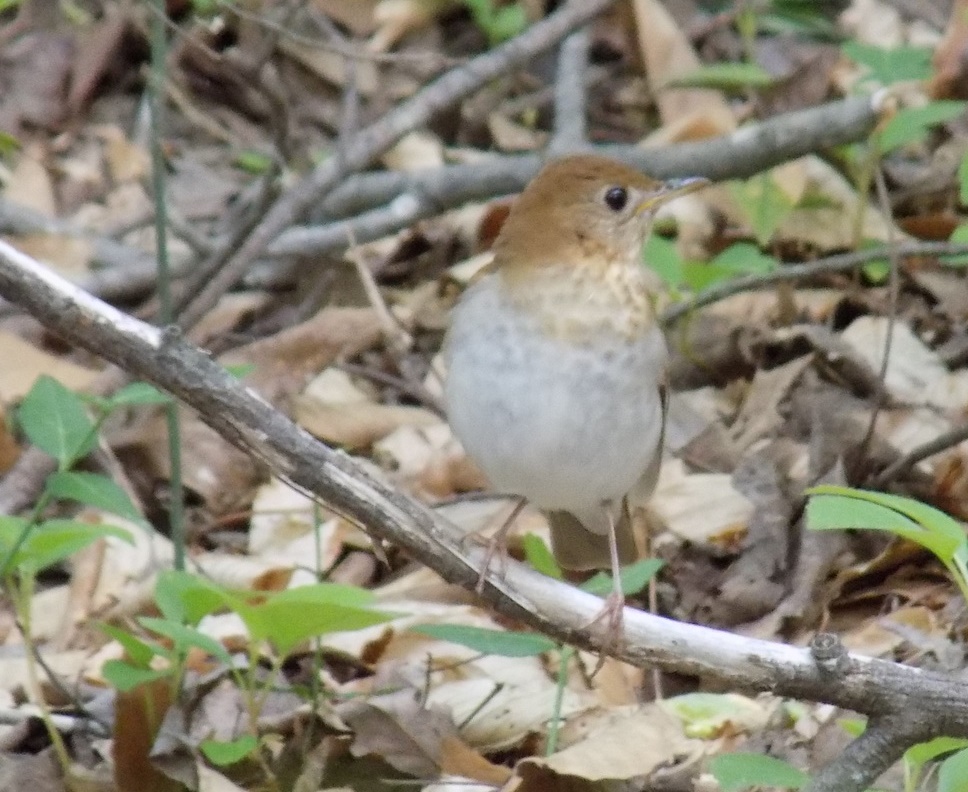
The Veery is a passage migrant found in woodlands. It has an orange-brown back and faintly marked breast that make it easy to pick out from other Thrushes.
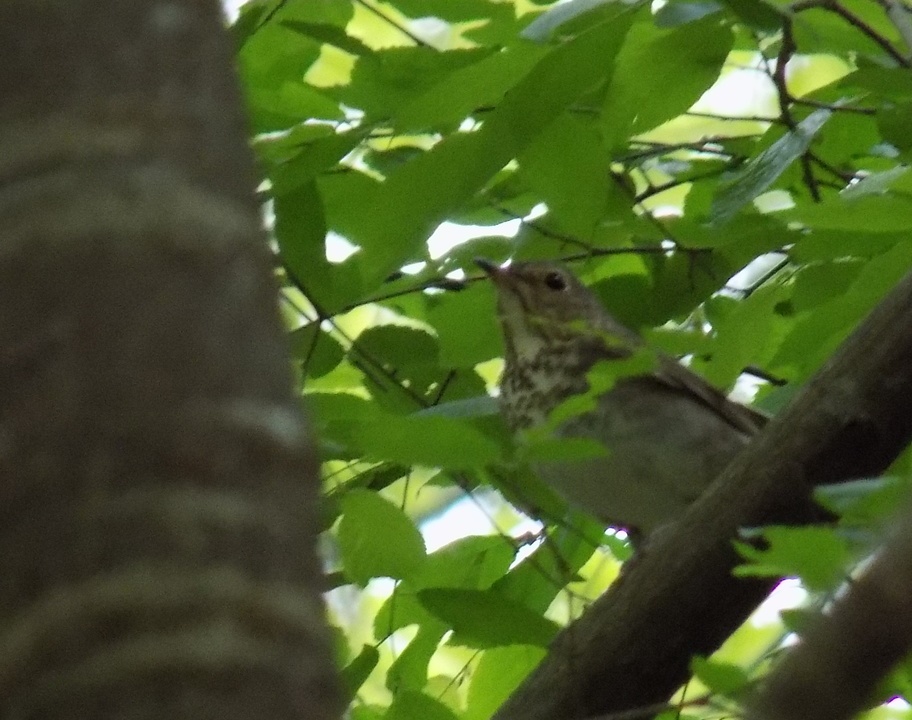
The Gray-cheeked Thrush is a passage migrant found in woodlands. Its plumage is a drab grayish brown that can make it tricky to identify. This species and the Bicknell’s Thrush used to be considered one species but are now separated. The Bicknell’s Thrush is a threatened species and VERY rare passage migrant that is nearly indistinguishable from the Gray-cheeked Thrush except by song.
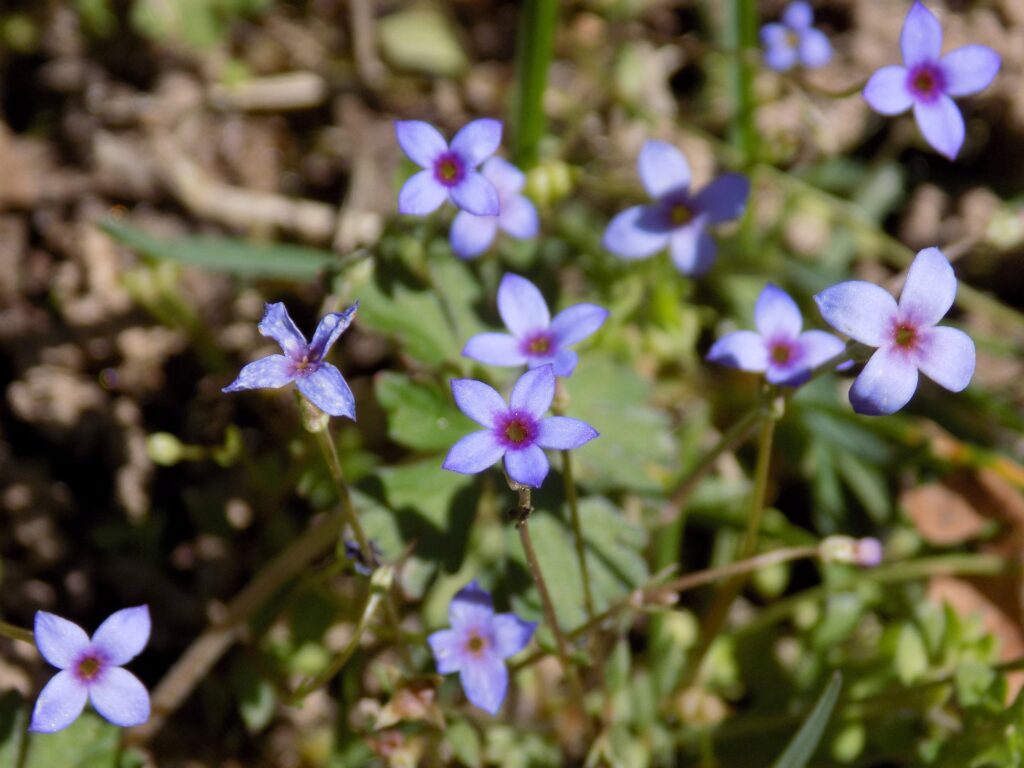
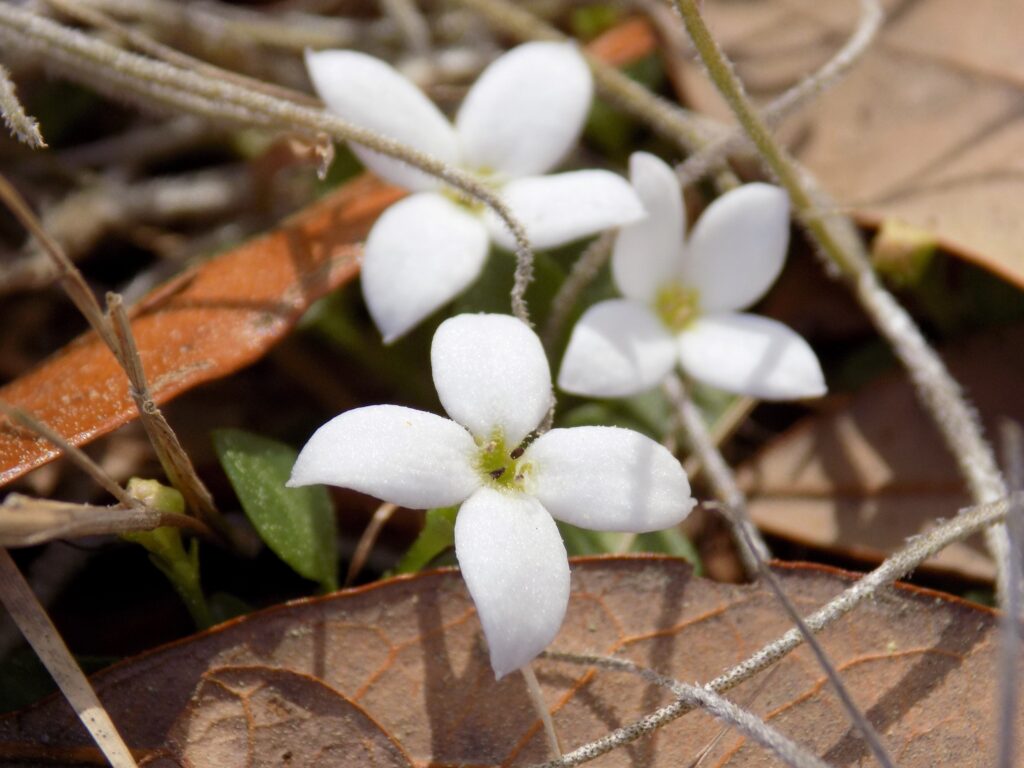
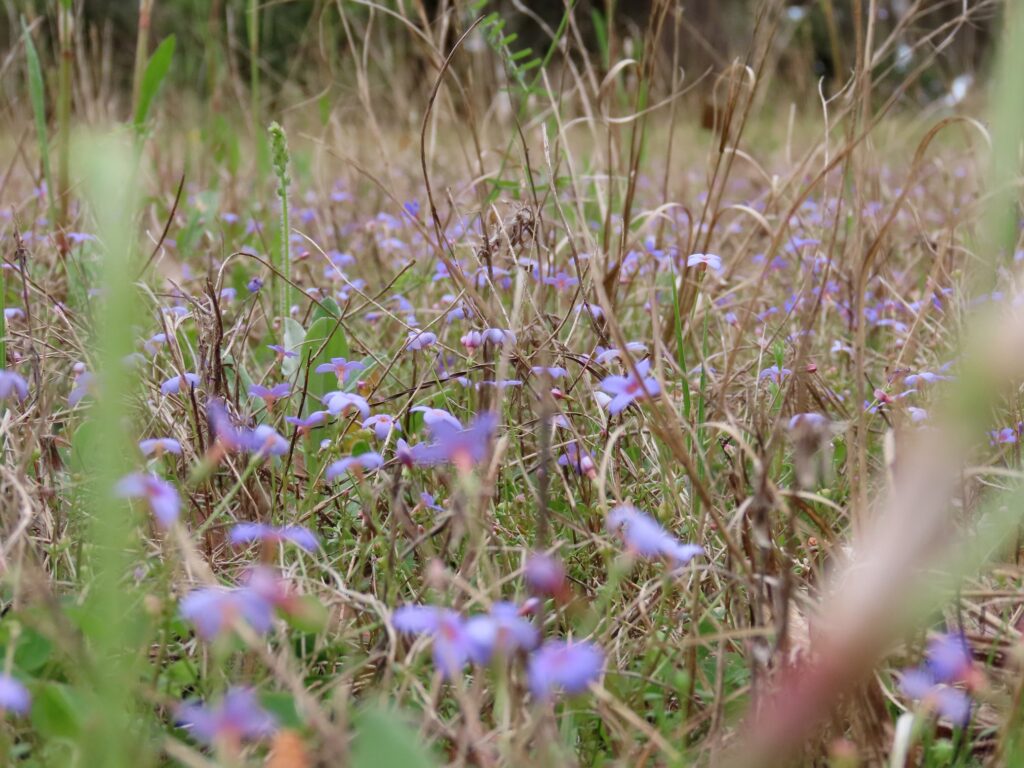
This week for Flora and Fauna Friday, we’re zooming in on a genus of tiny wildflowers native to Edisto. This week we’re talking about Bluets, genus Houstonia. On Edisto I’ve seen two species of Bluet: the Tiny Bluet (Houstonia pusilla) and the Roundleaf Bluet (Houstonia procumbens). Both species are tiny, 4-petaled wildflowers that bloom in late winter and do well in open areas. Usually in rather poor soil. The Azure Bluet (Houstonia caerulea) can also be found in the area but I’ve yet to come across it on the Island.
The aptly named Tiny Bluet is only a few inches tall. It’s singular, yellow & mauve-eyed pale-purple flowers only measure about a quarter-inch wide. It’s thin, solo stems and dainty opposite and simple leaves pepper lawns, roadsides, and ditch edges with pinpricks of floral flare. Places with high disturbance, micro patches of bare-earth, and plenty of sun are their preferred locale. Their small stature lets them eke out a living in micro-habitats. These are tiny areas of habitat in a larger landscape that can are suitable for a given plant species. These micro-habitats can be a several yards across or only large enough to support a single plant. Whether they’re different in light intensity, soil moisture, available nutrients, or soil composition, micro-habitats are a patch of earth just different enough from all the other dirt around it to support a certain species.
The slightly larger Roundleaf Bluet is also only a few inches tall but a bit more robust. Their bone white petals encircle a lime green center to form a flower that’s about a half-inch wide. Their leaves are larger and wider, almost heart shaped. Unlike the Tiny Bluet, the Roundleaf Bluet will spread over the ground and tends to form mats a few inches across. Their wide leaves and spreading stems help them survive in the dry sandy habitats they prefer. Their large leaves and overlapping, spreading stems shade a significant area of the soil above its roots and help hold water in the soil where it would otherwise evaporate. These areas are naturally barren due to poor, dry soils but Roundleaf Bluet is adapted to exploit these barren sunny areas.
Like many of our spring wildflowers, Bluets are everywhere but often overlooked due to their size. However, in the right habitat, even a miniature wildflower like this can be a stunning sight. In certain sparse lawns and hayfields, the Tiny Bluet can create a purple haze above the ground. A thin film of violet hovering only a few inches above the grass, as millions of Bluet blooms rub shoulders with one another. Canada Toadflax is another that creates such a view. The sight truly a privileged experience to behold.
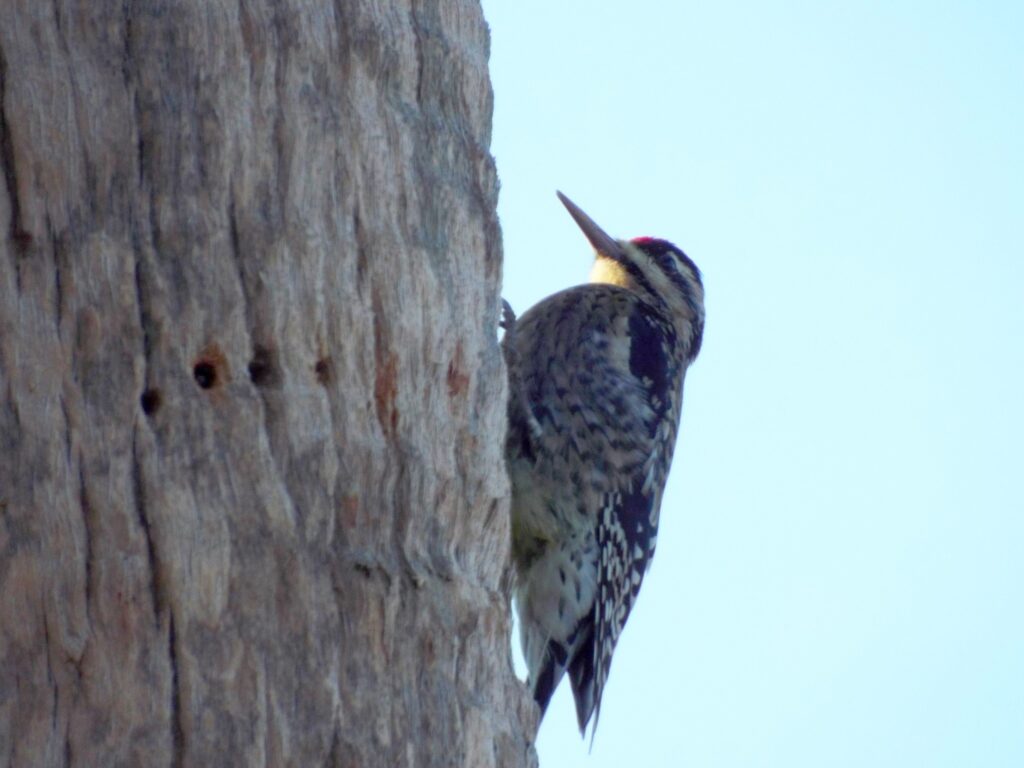
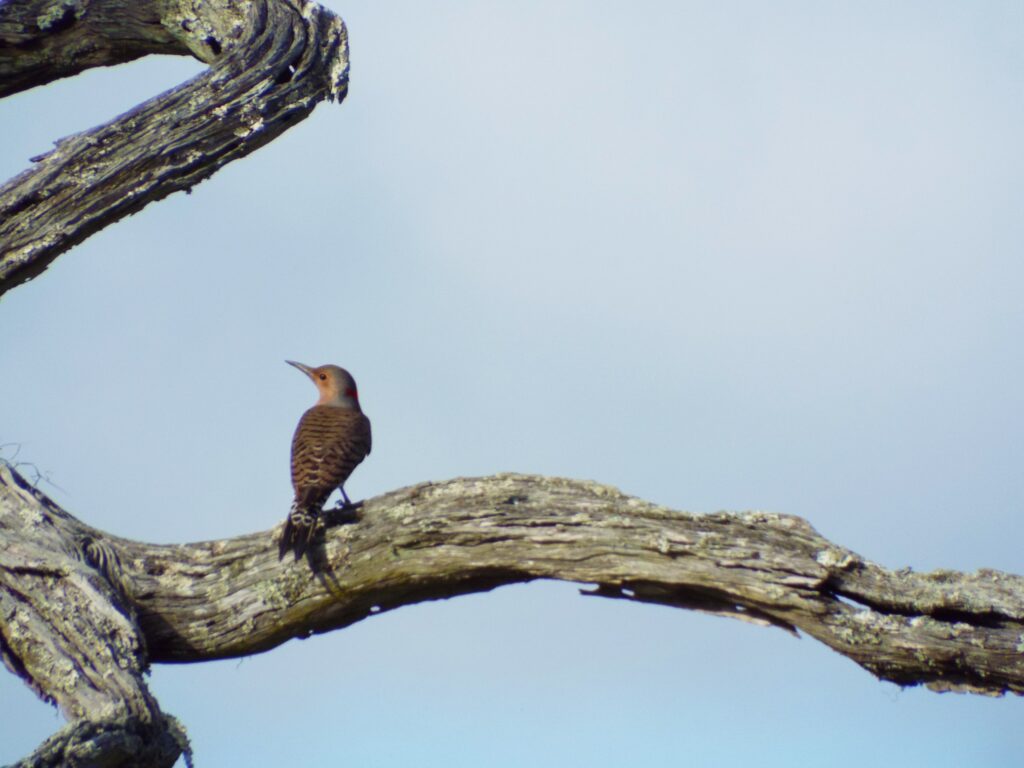
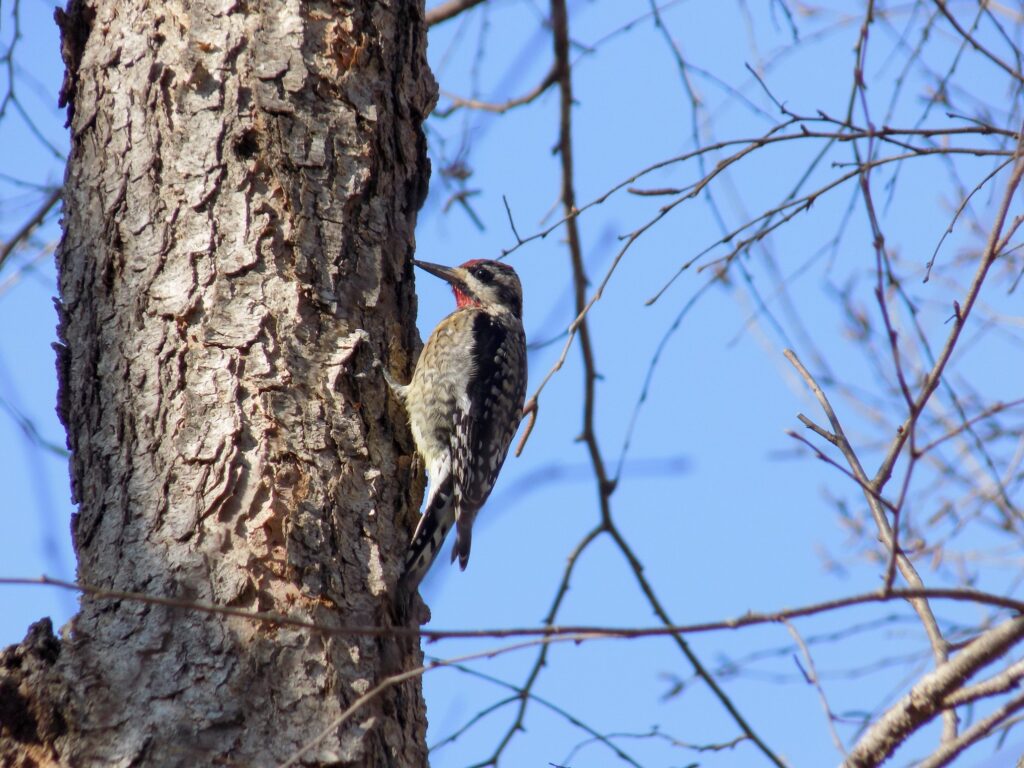
Before they start leaving for the season, this week for Flora and Fauna we’re going to be talking about our two winter Woodpeckers: the Northern Flicker (Colaptes auratus) and the Yellow-bellied Sapsucker (Sphyrapicus varius). Both of our winter Woodpeckers are unique compared to our other 6 non-migratory Woodpecker, in both their appearance, behavior, and diet.
The Northern Flicker is our second largest Woodpecker in SC, at about 12 inches tall. In the Eastern US we have the Yellow-shafted subspecies (C. a. auratus). Like most of our Woodpeckers, males and females are very similarly plumaged but differ in facial markings. Males have a black patch at the base of their bill and females do not (both of my photos below are females). The Yellow-shafted Flicker is a gorgeous bird. Instead of being monochrome with red accents, like the rest of our Woodpeckers, Flickers are an alloy of bronze, copper, steel, and gold with ashen whites, blackened coals, and a lone crimson ember. Look for the golden wings and tail feathers, speckled belly, black crescent on the chest, and red crescent on the back of the head.
Flickers are also unique in the way they feed. They primarily feed on the ground and not in trees. They hunt for insects in field, yards, and forest edges but also eat plenty of berries and other fruits in the winter. They are one of the few species that will eat the invasive Red Imported Fire Ant. They will attack ant mounts. Using their pointed bill to jab into the soil beside a mound before sticking out their long sticky tongue out to snatch ants, eggs, and larvae from their underground tunnels. They’re also one of the bird species I’ve seen eating the wax coated seeds of the invasive Chinese Tallow Tree.
The Yellow-bellied Sapsucker is an average sized sapsucker, at about 8 inches tall. They’re a more typically colored woodpecker, being mainly black and white with a touch of red on the head. Their plumage has a grungy, somewhat dirty quality to it compared to the rest of the Woodpeckers. They also have an amber wash to their belly, hence the first half of their common name. Both males and females have a red crown but males also have a red beard (my first photo is a male and the second a female).
Sapsuckers feed even more uniquely than the Flicker. They still stick to the treetops but instead of hunting for insects within the branches of trees, they peck rings of shallow holes around the trunks of trees called sap wells. They only peck down to the tree’s vascular tissue beneath the bark. They primarily target the phloem but will drill into the xylem on deciduous trees in the winter. The phloem is the area of the tree that carries the sugar rich sap generated in the leaves down to the roots. The xylem is the area of the tree that carries water and nutrients from the roots to the leaves but is often enriched with sugars in the winter as a natural antifreeze. Once exposed to the air and devoid of their protective bark, the phloem leaks this calorie rich sap into the sap well. The Yellow-bellied Sapsucker will regularly return to these holes to lap up this sugary syrup, hence the second half of its common name. They also won’t shy away from an easy meal of insects or spiders when available. The Northern Flicker and the Yellow-bellied Sapsucker are two of our more interesting and easy to identify Woodpeckers but they only visit us for half of the year. In the spring, both migrate north to feed and breed. They’re common yard birds but if you’d like to see one, they’ll only be on Edisto for another few weeks this season. So get out and look!
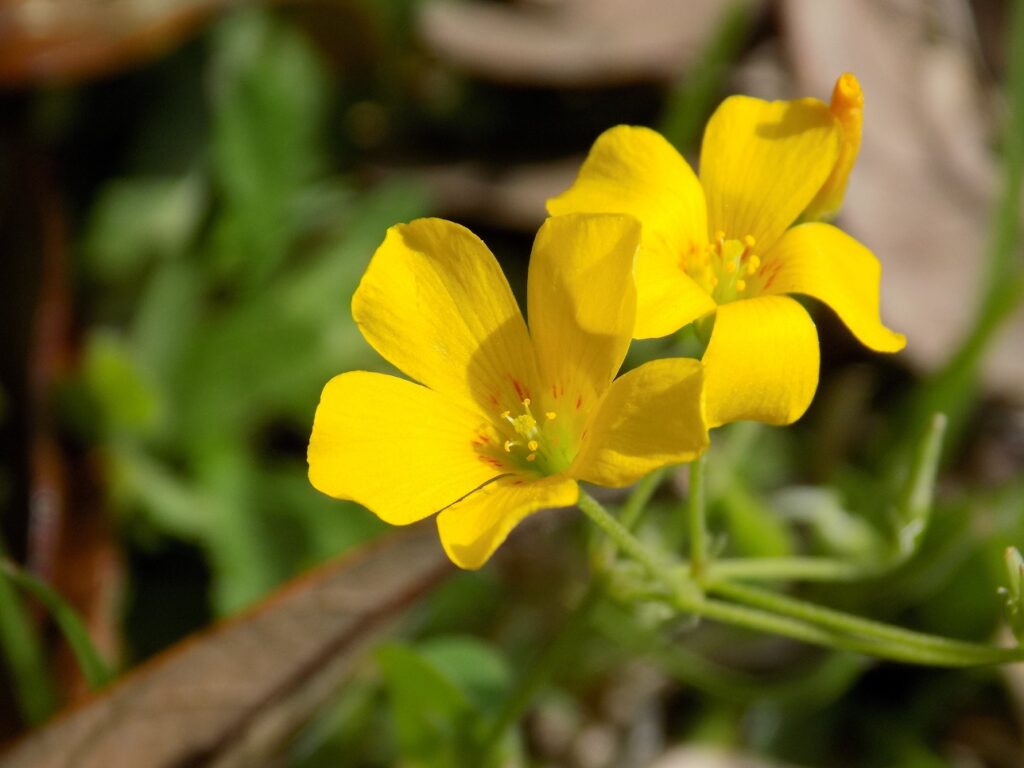
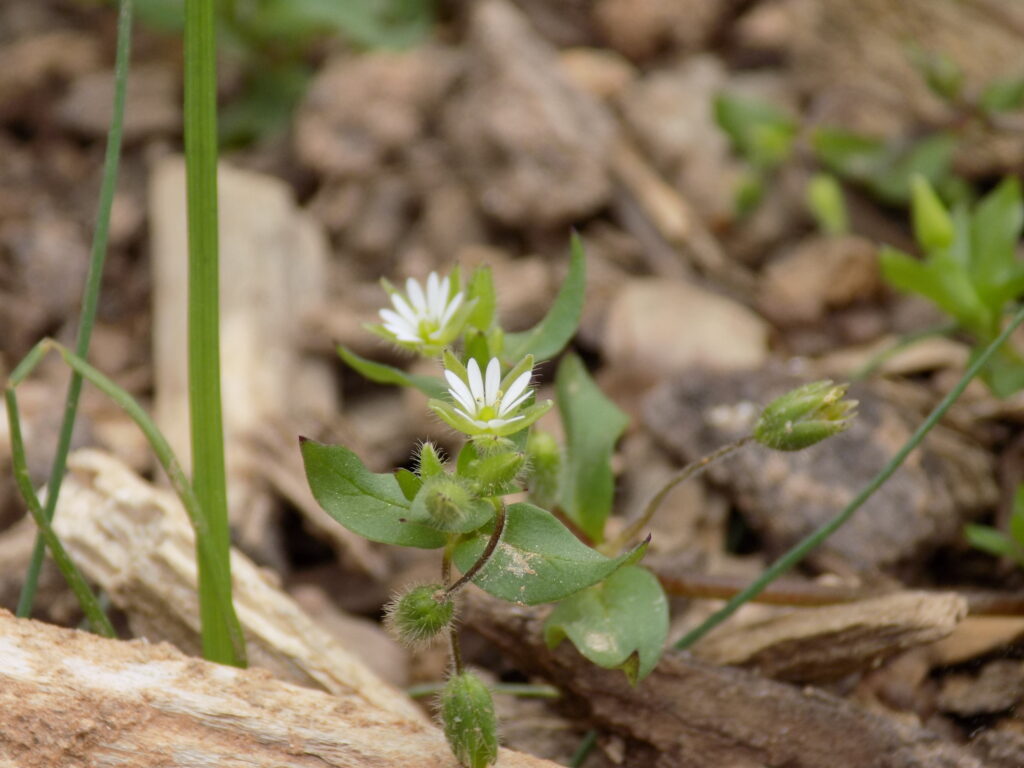

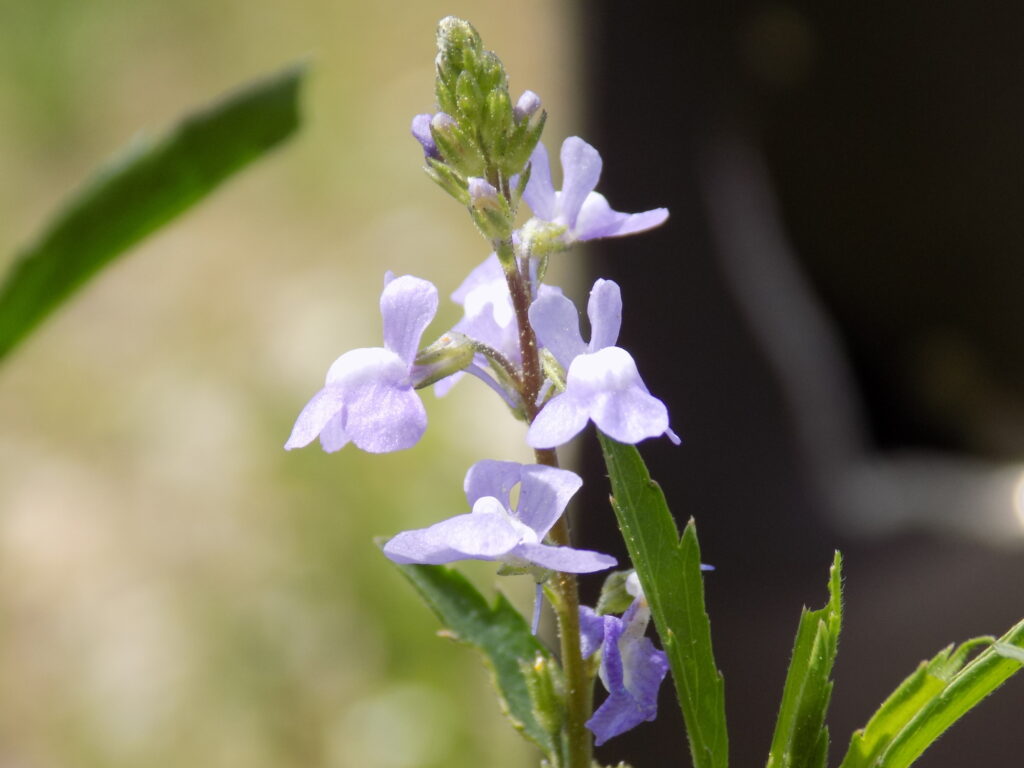
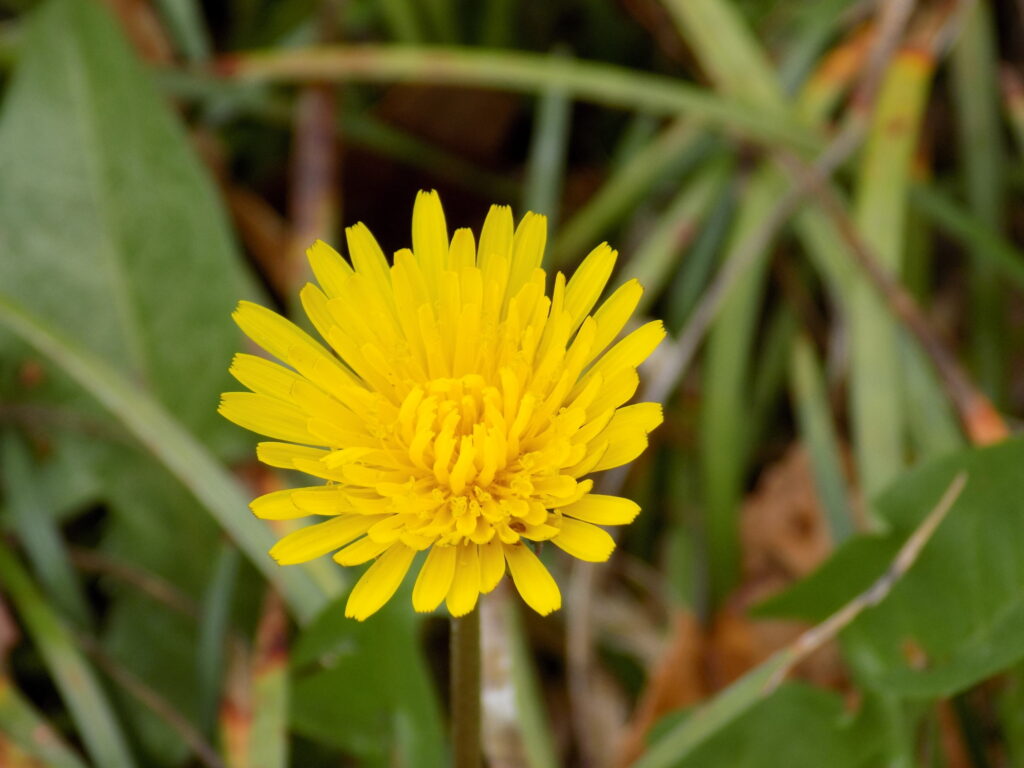
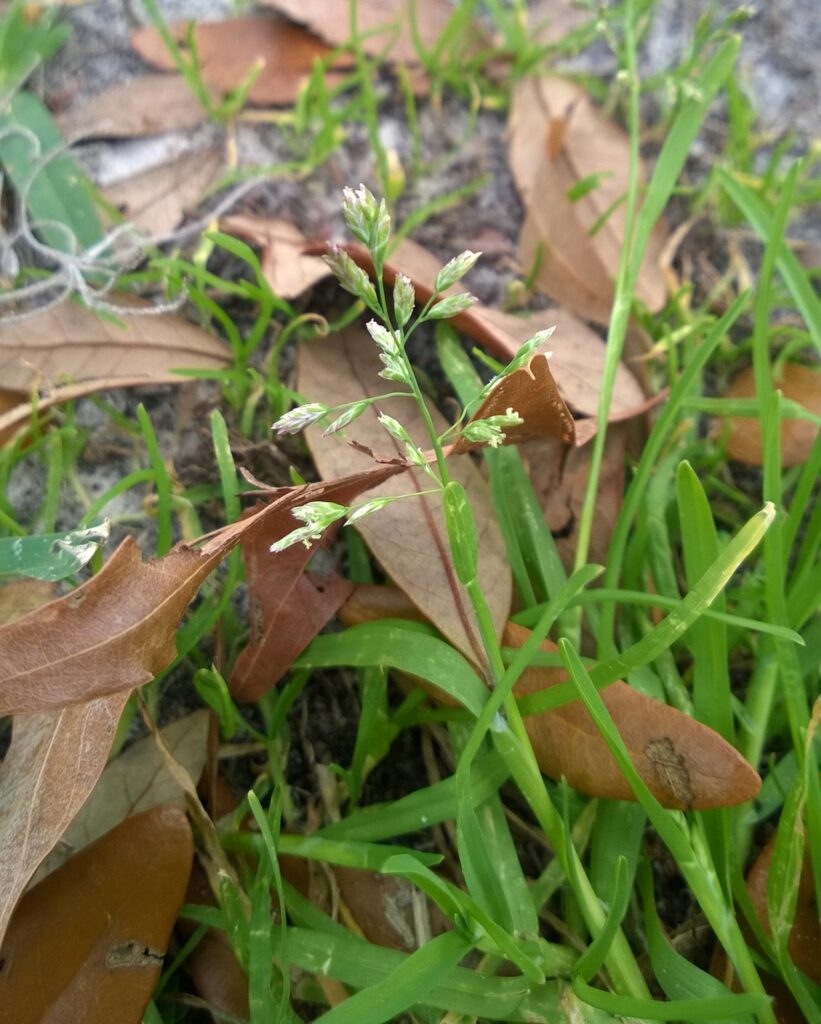
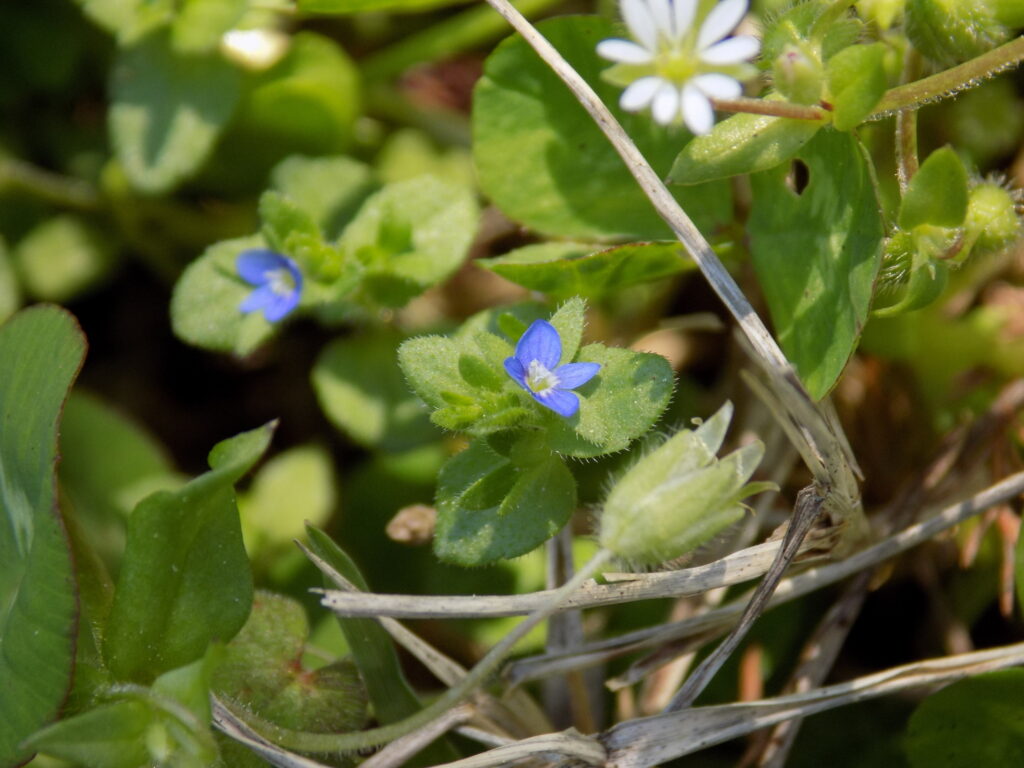
This week for Flora and Fauna Friday, I don’t have a species in particular but a group of plants instead. This week we’re glancing over some of our early spring wildflowers.
Wildflower is a catch-all term used to describe any herbaceous plant that produces a flower and grows freely in the wild. The species we’ll be taking a quick look at today are some of the earliest wildflowers to bloom every spring. These species are also tiny and incredibly abundant. They’re species you can look for in any lawn in the state. Just make sure you look closely. Except for Dandelions, the rest all have flowers less than a quarter inch wide! I was able to find each one blooming in the lawn beside the EIOLT office this morning. These early wildflowers provide a critical early nectar source for pollinators emerging after the winter as well as providing forage for herbivores like Deer.
These early wildflowers share some common characteristics. They grow fast, don’t grow very tall, produce lots of tiny flowers, and make seeds quickly. These species can only grow in the most open of habitats such as lawns, roadsides, and construction sites. Places where vegetation is routinely removed or the ground disturbed. Because of this high frequency of disturbance, these plants want to grow, flower, and seed as fast as possible before they get cut, crushed, or covered up. They also take advantage of the early spring to grow and flower immediately after winter before larger, longer lived wildflowers can establish. Many of the species I have below are introduced exotics. Florida Hedgenettle, for example, is a tuber forming perennial that is invasive in both ruderal and open forest communities. However, the rest of the exotics are not directly harmful to local ecosystems. They do displace and compete with native wildflowers for resources but are easily outcompeted by larger wildflowers later in the season.
Now grab your magnifying glass and your best macro camera and go find these first tiny embers of spring!
In order of appearance we have:
Henbit Deadnettle (Lamium amplexicaule) [exotic]
Slender Yellow Wood-Sorrell (Oxalis dillenii)
Common Chickweed (Stellaria media) [exotic]
Black Medick (Medicago lupulina) [exotic]
Canada Toadflax (Nuttallanthus canadensis)
Common Dandelion (Taxacarum officinale) [exotic]
Annual Rye (Poa Annua) [exotic]
Corn Speedwell (Veronica arvensis) [exotic]
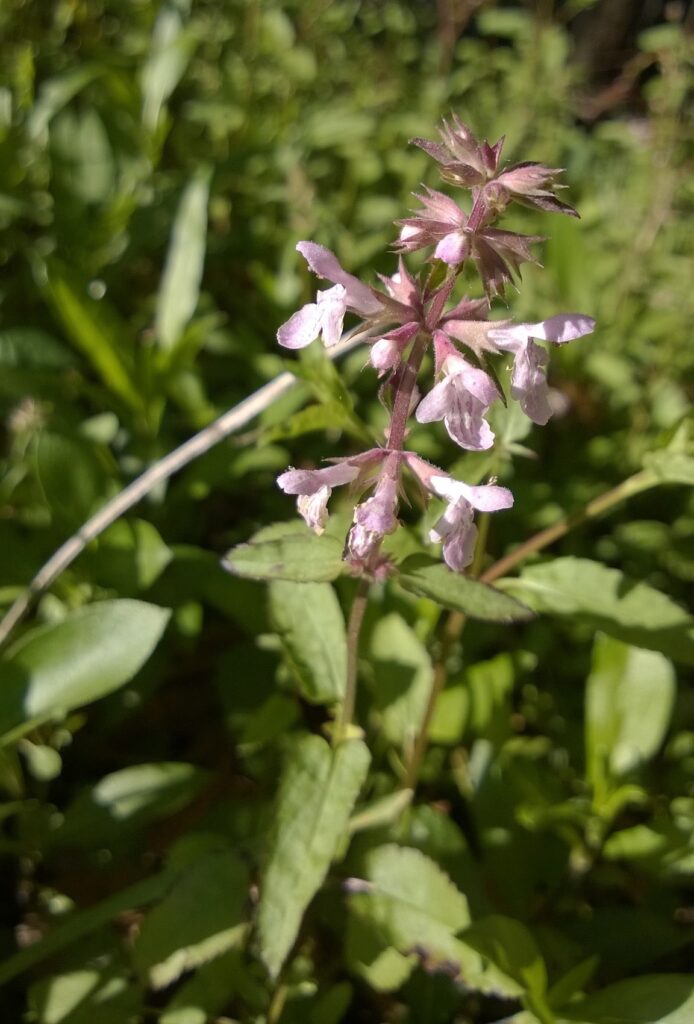
Florida Hedgenettle (Stachys floridana) [exotic]
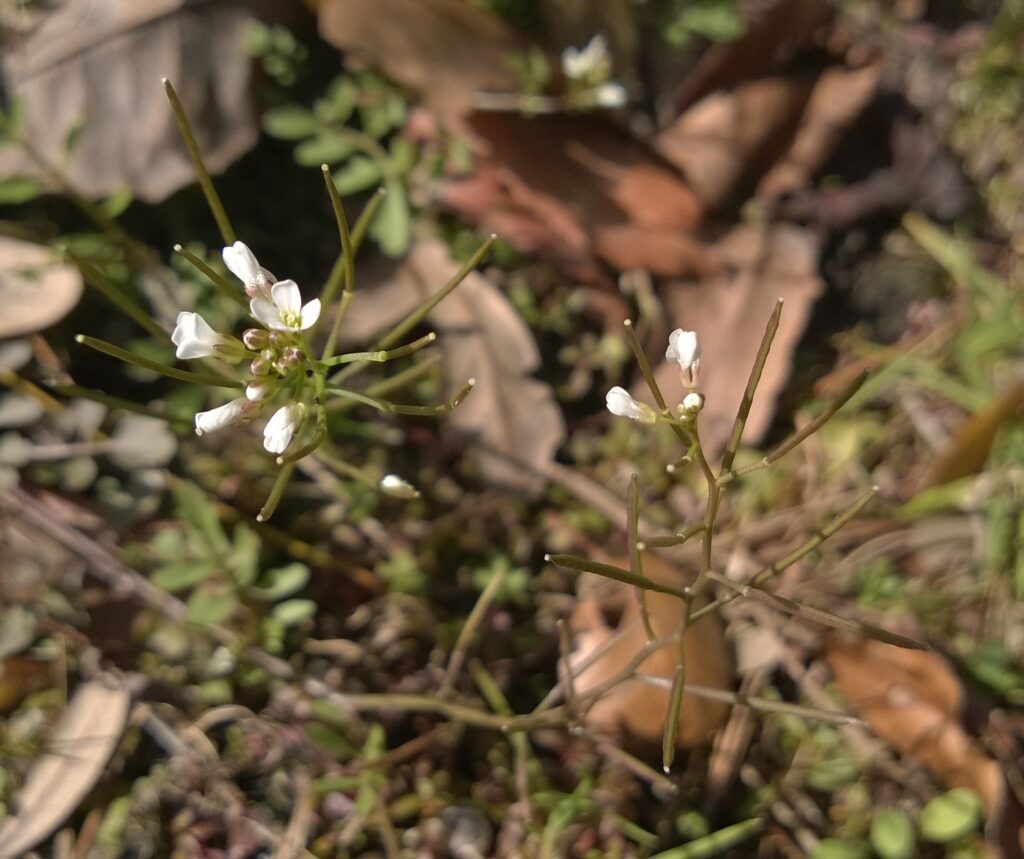
Pennsylvania Bittercress (Cardamine pensylvanica)
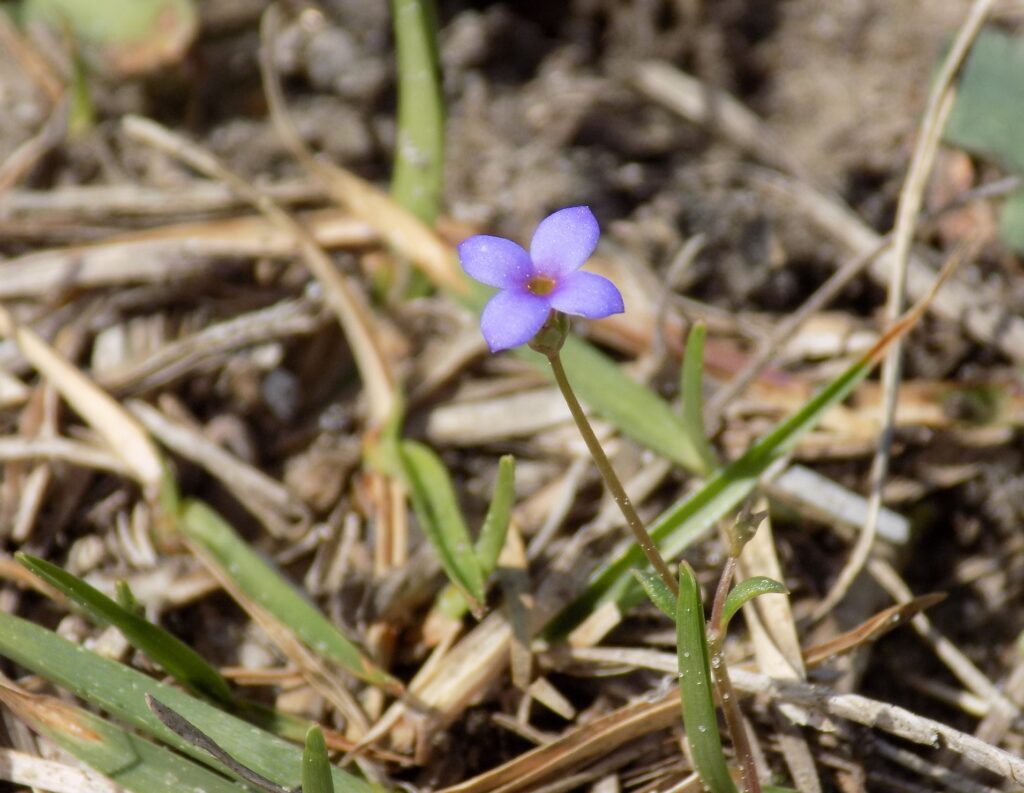
Tiny Bluet (Houstonia pusilla)
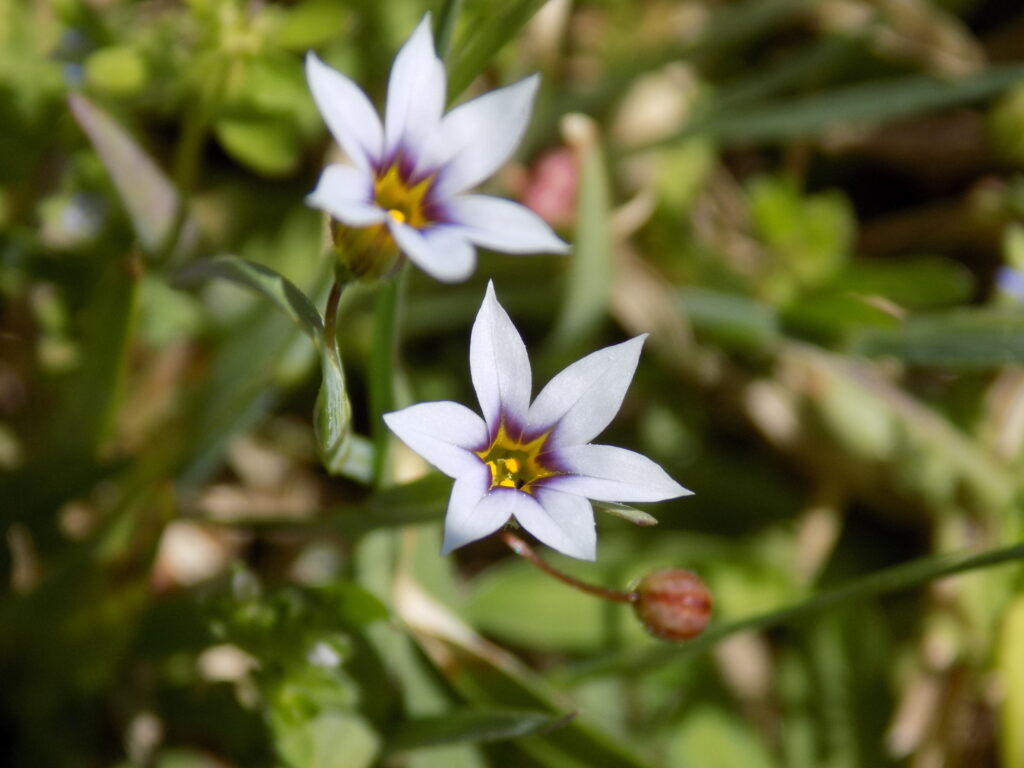
Annual Blue-eyed Grass (Sisyrinchium rosulatum)
INDIVIDUAL DESCRIPTIONS
Henbit Deadnettle (Lamium amplexicaule), an exotic member of the mint family, Lamiaceae.
Slender Yellow Wood-Sorrell (Oxalis dillenii), a native member of the Woodsorrel family, Oxalidaceae. Their leaves may look very similar to those of the Clovers, but they’re completely unrelated.
Common Chickweed (Stellaria media), an exotic member of the Pink family, Caryophyllaceae.
Black Medick (Medicago lupulina), an exotic member of the legume family, Fabaceae.
Canada Toadflax (Nuttallanthus canadensis), a native member of the Plantain family, Plantaginaceae. Not the culinary Plantain, which is a species of Banana, but the botanical Plantains.
Common Dandelion (Taxacarum officinale), an exotic member of the Sunflower family, Asteraceae.
Annual Rye (Poa annua), an exotic member of the grass family. It’s a close relative of Kentucky Bluegrass, a common turfgrass.
Corn Speedwell (Veronica arvensis), another exotic member of the Plantain family, Plantaginaceae.
Florida Hedgenettle (Stachys floridana), an invasive exotic member of the Mint family, Lamiaceae. Florida Hedgenettle is an invasive species that can outcompete native wildflowers for resources. It’s a perennial that forms an underground tuber. Which it regenerates from in the spring. You’ve probably seen these strange looking tubers before. They’re about the size and shape of your thumb, white, and look like oversized maggots. (Or maybe the Michelin Man’s lost pinky)
Pennsylvania Bittercress (Cardamine pensylvanica), a native member of the Mustard family, Brassicaceae. (And yes, the specific epithet is supposed to be misspelled)
Tiny Bluet (Houstonia pusilla), a native member of the Bedstraw family, Rubiaceae. (I may be writing a full post about this genus of tiny flowers in the coming weeks) Annual Blue-eyed Grass (Sisyrinchium rosulatum), a native member of the Iris family, Iridaceae. (I’ll certainly be writing a full post about this genus in the coming weeks)
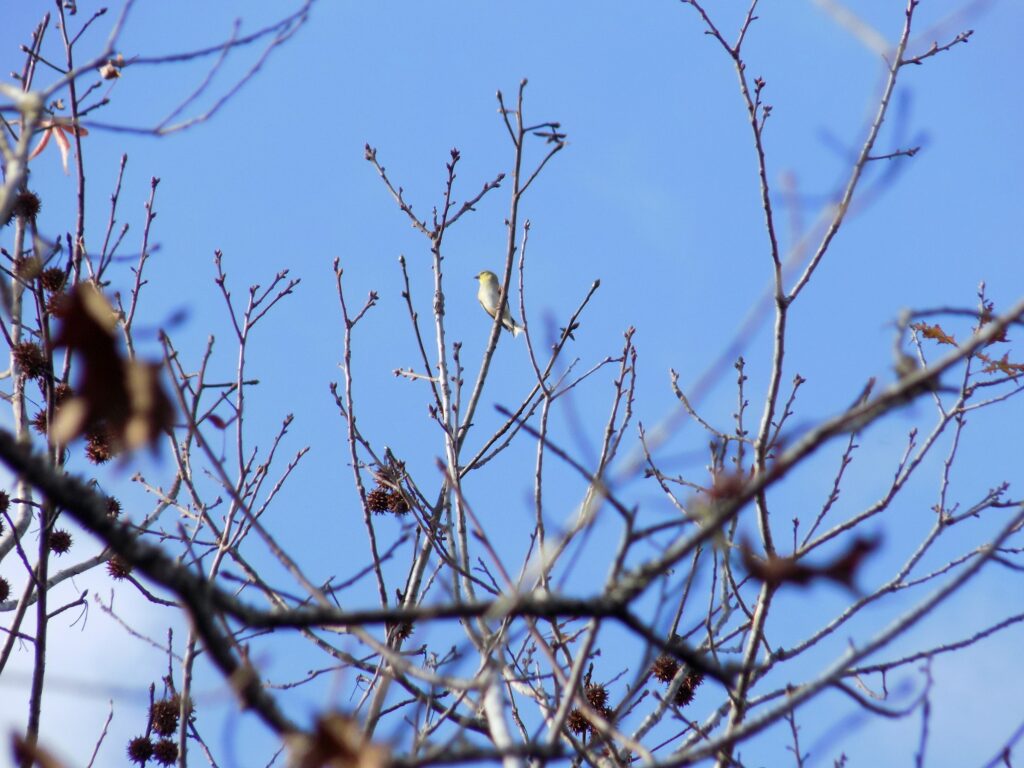
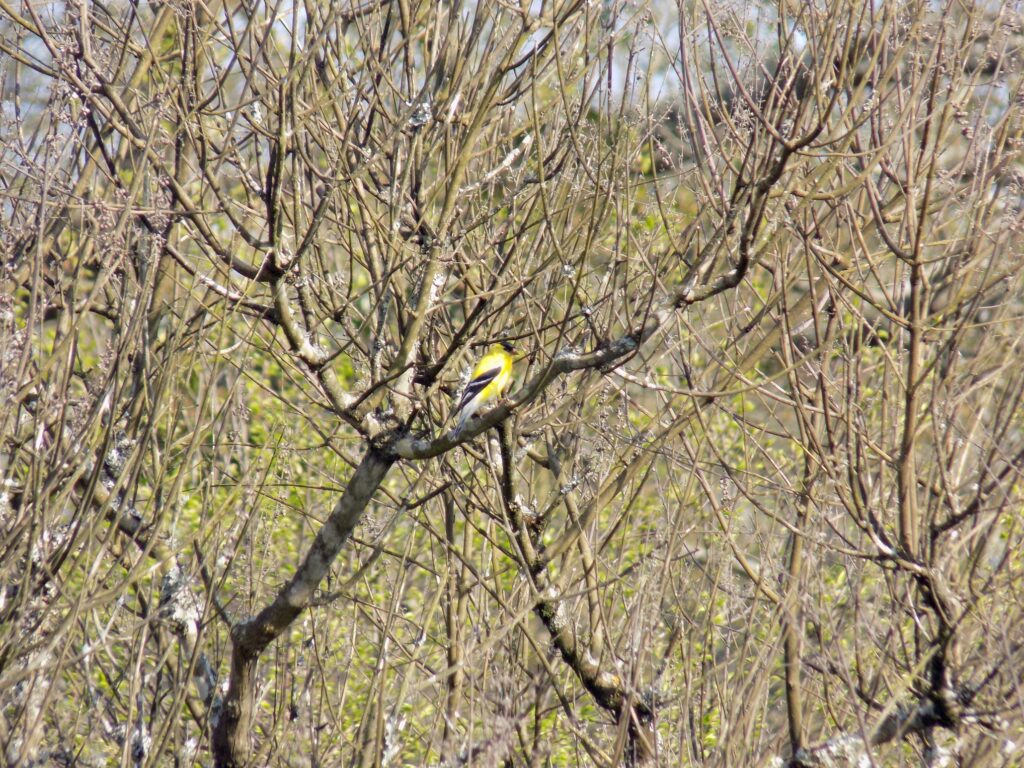
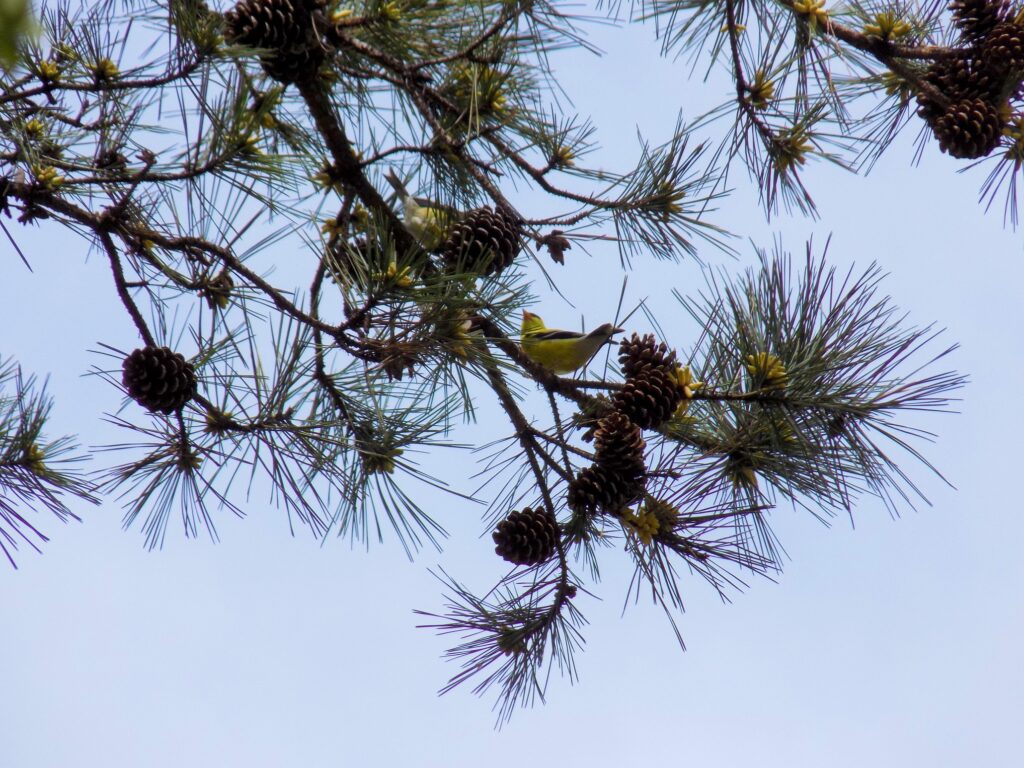
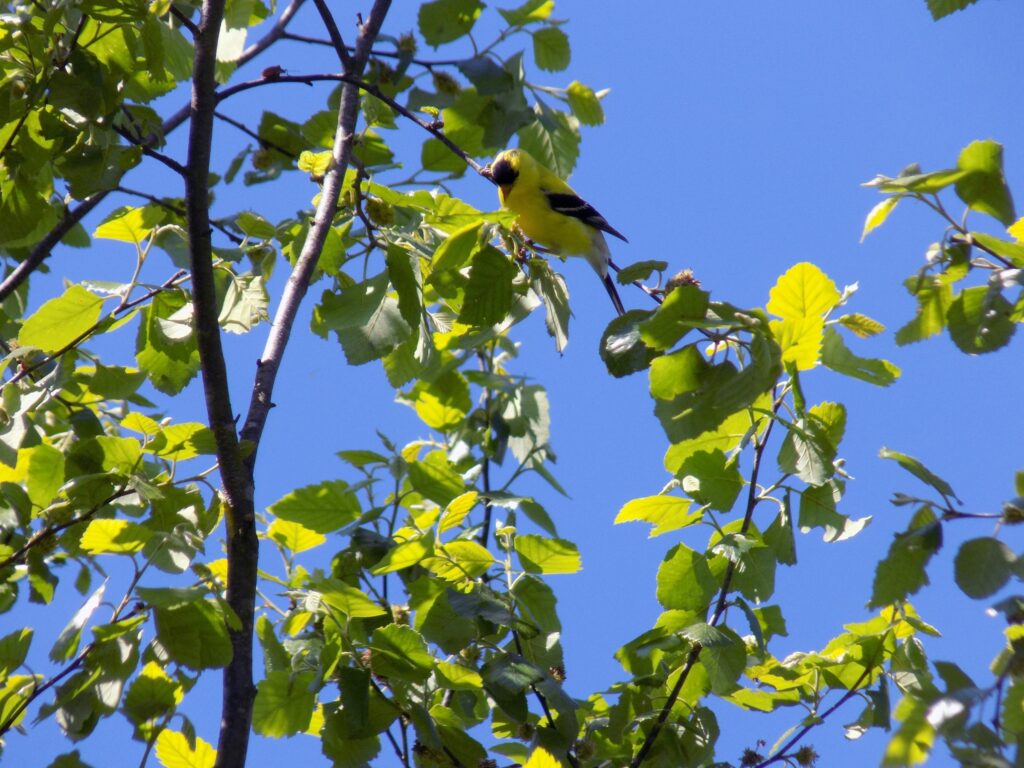
This week for Flora and Fauna Friday we’re talking about the American Goldfinch (Spinus tristis).
The American Goldfinch is the smallest of the four Finch species that visit Edisto. Their petite stature, golden plumage, and pink legs distinguish them from the drab by comparison Pine Siskin, House Finch, and Purple Finch. Additionally, their heavy bill makes them easy to pick out amongst our many small yellow Warblers. Male Goldfinches sport a rich, sunflower yellow plumage accented by a black cap over beady black eyes, an orange bill, pink legs, white rump, and black wings and tail streaked with ribbons of white. Females lack the black cap and are a drab grayish-yellow in winter but sport monochrome wings and tail throughout the year.
Goldfinches make many sounds throughout the day. High pitched bursts of whistles, mewing, and undulating squeals, distinctly separate or mushed together into a sweet, chaotic mess of a song. These birds tend to travel in flocks where these tangled strands of song intertwine and weave together into a cacophonous flowing fabric of notes that flutters over the forests and fields. Goldfinches are found in South Carolina year-round but are much more abundant in the winter. Birds from northern states migrate south to avoid the cold, while southern birds tend to stay close to home. Their stout bill is great for hulling seeds, their food of choice. Goldfinches mainly stick to the treetops in our area, where they feed on the seeds of trees like Pines, Sweetgums, and Tulip-Trees. They’re also partial to eating the seeds of large wildflowers like Thistles, Sunflowers, Coneflowers, and many Grasses. A walk through the wintery woods and savannas of the Lowcountry, with an ear cocked to the treetops, is an easy way to find a flock of Goldfinches. Goldfinches will visit bird feeders and wildflower gardens from time to time. Putting out a thistle feeder or a birdseed mix with thistle and safflower seeds in the winter can entice Goldfinches to visit your yard. Maintaining a wildflower garden planted with Zinnias, Mexican Sunflowers, Black-eyed-Susans, Coneflowers, Swamp Sunflowers, Thistles, Cornflowers, and other tall wildflowers will not only attract Goldfinches year round but also other songbirds like Painted Buntings, Grosbeaks, Cardinals, Sparrows, and House Finches as well as butterflies and other native pollinators.